

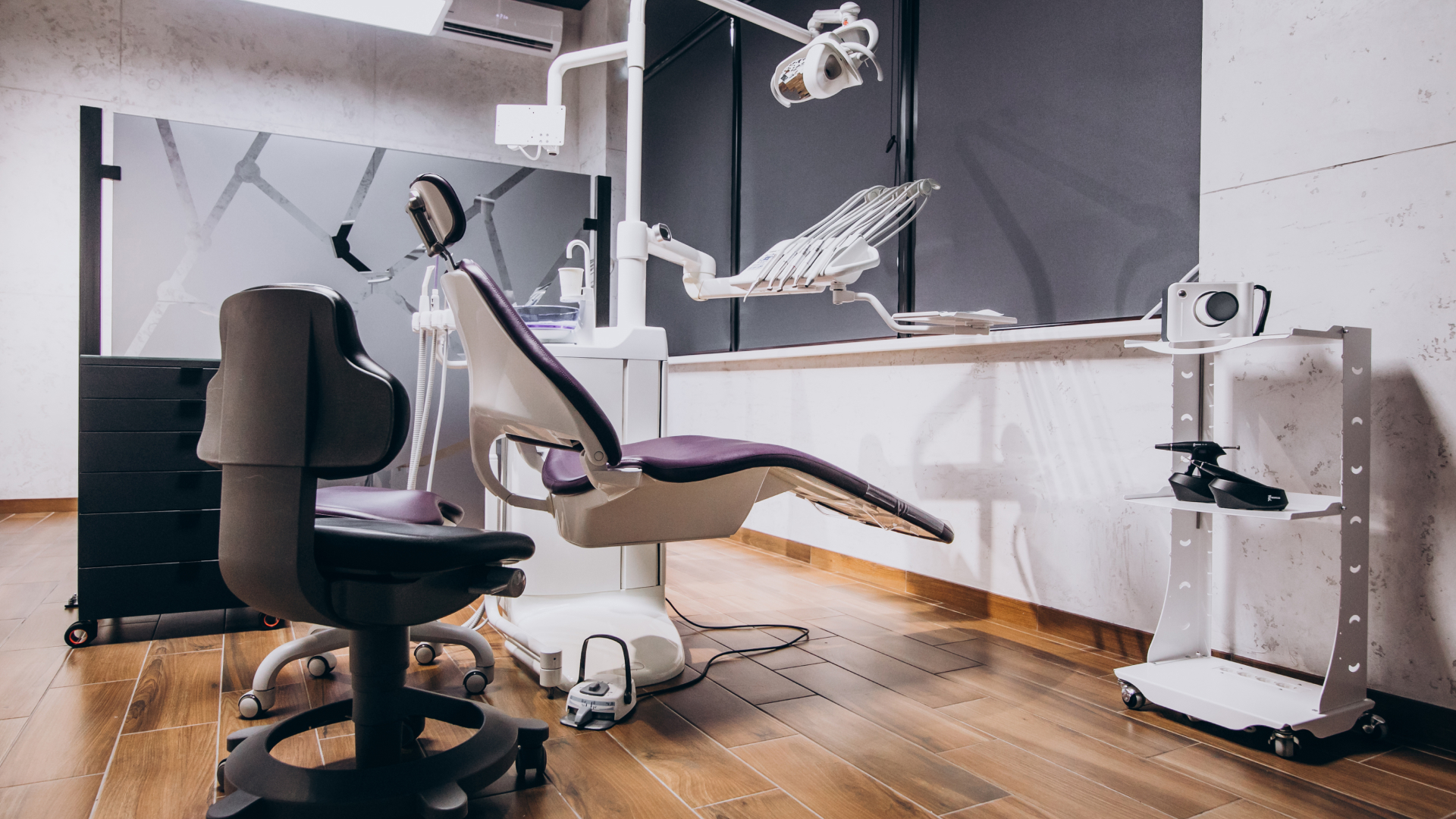









Why Does Tooth Sensitivity Increase at Night?
SNY Clinic

Why Does Tooth Sensitivity Increase at Night?

Why Does Tooth Sensitivity Increase at Night?

Tooth sensitivity that feels mild during the day—or sometimes goes completely unnoticed—often becomes more intense at night for many people. Especially before falling asleep or severe enough to wake you up from sleep, this sensitivity can significantly reduce quality of life and may indicate underlying oral and dental health problems. So, why does tooth sensitivity worsen at night? In this article, we explore the reasons in detail, along with risk factors and effective solutions.

What Is Tooth Sensitivity?

Tooth sensitivity is a short, sharp pain in the teeth triggered by stimuli such as hot, cold, sweet, sour foods, or pressure. It usually occurs when the tooth enamel wears down or the gums recede, exposing the dentin layer beneath.
Dentin contains microscopic tubules connected to the inner nerve of the tooth. When these tubules are stimulated, pain signals are transmitted, resulting in sensitivity.

Main Reasons Why Tooth Sensitivity Increases at Night

1. Lack of Distractions Makes Pain More Noticeable

During the day, the mind is occupied with work, social activities, phones, and screens. This mental distraction makes mild pain or sensitivity less noticeable. At night, however, the environment becomes quiet and attention shifts inward, making even minor tooth sensitivity feel stronger.

2. Lying Down Increases Blood Flow to the Head

When you lie down, your head and body are generally at the same level. This position increases blood flow to the head and jaw area. The increased circulation can raise pressure around the tooth nerves, making sensitivity and pain more pronounced.

3. Nighttime Teeth Grinding and Clenching (Bruxism)

Many people unknowingly grind or clench their teeth while sleeping. This condition can cause:

  • Enamel wear
  • Microcracks in the teeth
  • Worsening of existing sensitivity

Bruxism is especially common during periods of stress and is one of the leading causes of increased nighttime tooth sensitivity.

4. Reduced Saliva Flow at Night

Saliva plays a crucial role in cleaning the mouth and neutralizing acids. During sleep, saliva production decreases. As a result:

  • Acids remain on the tooth surface longer
  • Enamel erosion increases
  • Tooth sensitivity becomes more noticeable

5. Effects of Acidic and Sugary Foods Consumed During the Day

Coffee, tea, carbonated drinks, citrus fruits, and sugary foods consumed throughout the day can weaken tooth enamel. These effects may not be felt immediately, but at night—when teeth are at rest—sensitivity can intensify.

6. Gum Recession and Exposed Tooth Roots

In individuals with gum recession, tooth roots become exposed. Unlike enamel, the root surface is covered with cementum, which is much more sensitive. These areas react strongly to temperature changes, and nighttime sensitivity is common.

7. Tooth Decay and Old Dental Fillings

Early-stage cavities or aging fillings that begin to leak can cause sensitivity close to the tooth nerve. While this may go unnoticed during the day, it often becomes more apparent at night when external distractions are minimal.

Risk Factors That Increase Nighttime Tooth Sensitivity

  • Brushing too hard
  • Using abrasive toothpastes
  • Stress and anxiety
  • Acid reflux (stomach acid reaching the mouth)
  • Smoking
  • Poor oral hygiene

These factors may act alone or together to intensify nighttime tooth sensitivity.

How to Prevent Tooth Sensitivity at Night

1. Use Toothpaste for Sensitive Teeth

Toothpastes containing potassium nitrate or strontium chloride help reduce nerve transmission and relieve sensitivity. Consistent use is essential, and results usually appear after a few weeks.

2. Choose a Soft-Bristled Toothbrush

Hard-bristled brushes can damage enamel and irritate gums. Gentle brushing with a soft-bristled toothbrush helps protect teeth and reduce sensitivity.

3. Use a Night Guard

For individuals who grind or clench their teeth, custom-made night guards protect the teeth and prevent further enamel damage, helping reduce sensitivity over time.

4. Avoid Acidic Foods in the Evening

Reducing the consumption of acidic and sugary foods—especially in the evening—can significantly decrease nighttime tooth sensitivity.

5. Do Not Skip Regular Dental Check-Ups

Conditions such as gum recession, cavities, or failing fillings can be managed effectively when detected early, preventing sensitivity from becoming severe.

When Should You See a Dentist?

You should consult a dentist if:

  • Tooth pain wakes you up at night
  • Sensitivity persists for a long time
  • Pain occurs without hot or cold triggers
  • Sensitivity is concentrated in one specific tooth

These symptoms may indicate more serious dental or nerve-related issues.

Although nighttime tooth sensitivity often seems harmless, ignoring it can lead to more serious oral health problems. Quiet surroundings, increased blood flow, teeth grinding, reduced saliva, and daily acid exposure are among the main reasons sensitivity worsens at night.
With proper oral care habits, regular dental visits, and early intervention, nighttime tooth sensitivity can be effectively managed.

Remember, the signals your teeth send are important messages from your body. Instead of ignoring nighttime tooth sensitivity, understanding its cause and seeking appropriate treatment is the key to maintaining a healthy, confident smile.

This content has been prepared for informational purposes. Results may vary from person to person in every surgical or interventional procedure. It is recommended to consult your physician for detailed information before the procedure.

The images used in this content do not belong to a real patient. The visuals are stock photos obtained from online content provider image platforms.

Publication Date: 30.1.2026
Editor: Uğur Aktaş
Contact Number: +90 545 450 71 41
Contact Email: info@snyclinic.com

SNY Clinic
SNY Clinic
Can respond within approximately 1 hour.
SNY Clinic
Hello, how can I help you?
11:12
Cookie Policy As SNY Clinic, we use cookies on our website. This Cookie Policy ("Policy") applies to the website https://snyclinic.com/ managed by SNY Clinic and cookies will be used as specified in this Policy.

I agree