


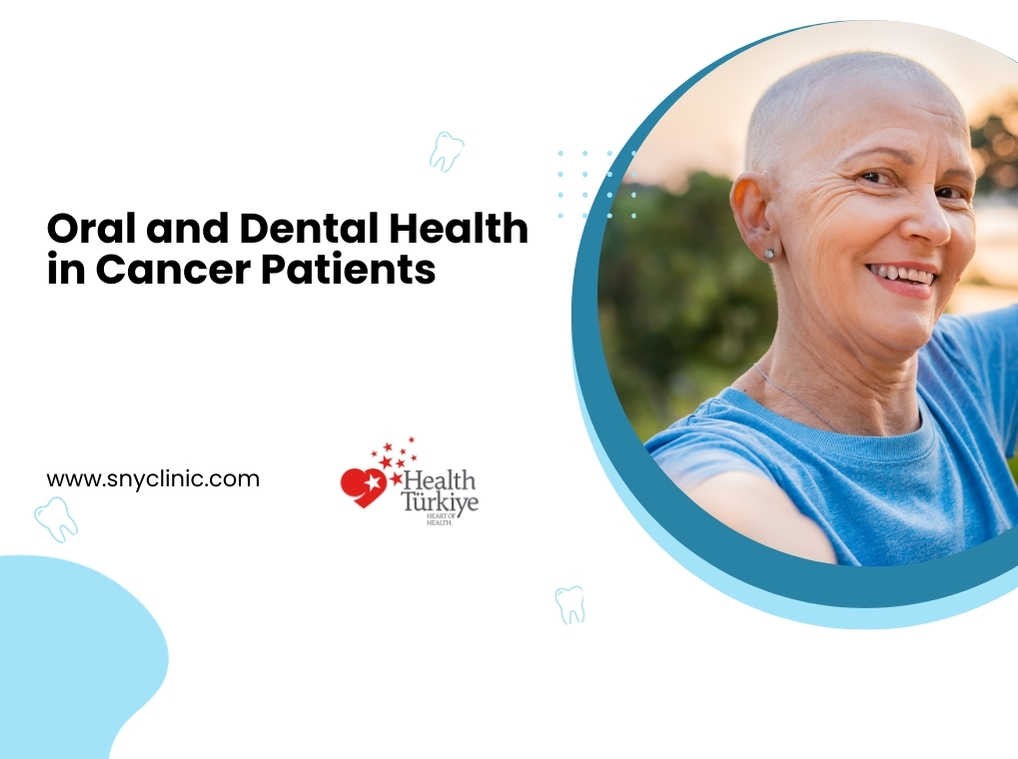
Oral and Dental Health in Cancer Patients
Oral and Dental Health in Cancer Patients
Cancer treatment involves several intensive medical processes such as chemotherapy, radiotherapy, immunotherapy, and targeted therapies. These treatments can significantly affect oral and dental health, just as they impact the entire body. Since the delicate tissues inside the mouth, salivary glands, and immune system are sensitive to treatment, cancer patients need to take extra care of their oral hygiene.
In this article, we discuss why oral and dental health is important for individuals undergoing cancer treatment, the possible complications, and preventive care methods in detail.
Effects of Cancer Treatment on the Mouth
Cancer treatments can cause various side effects in the mouth. These effects may differ depending on the type and duration of treatment, as well as the patient’s immune status.
1. Dry Mouth (Xerostomia)
Chemotherapy and especially head-neck radiotherapy can reduce the function of the salivary glands.
This condition may lead to:
- Difficulty swallowing and speaking
- Bad breath
- Increase in dental caries
2. Mucositis (Mouth Sores and Inflammation)
Oral tissues can respond quickly to chemotherapy.
Mucositis may cause:
- Painful sores
- Difficulty eating
- Increased risk of infection
3. Weakened Immunity and Infection Risk
During treatment, the immune system is suppressed. This creates vulnerability to bacterial, viral, and fungal infections in the mouth.
4. Gum Problems
- Gum bleeding
- Gingivitis
- Increased risk of periodontal disease
are frequently seen.
5. Altered Taste Sensation
Due to decreased saliva or oral tissue damage, temporary changes in taste perception may occur.
Why Is Oral Care Important Before Cancer Treatment?
Evaluating oral and dental health before treatment can significantly reduce complications that may arise during therapy.
Steps to Take Before Treatment:
✓ Dental Check-Up
- Cavities should be treated
- Tartar should be cleaned if needed
- Teeth that may pose infection risk should be treated or extracted
✓ Optimizing Oral Hygiene
Entering the treatment process with strong oral health decreases the risk of mucositis and infection.
How Should Oral and Dental Care Be Maintained During Cancer Treatment?
1. Use a Soft Toothbrush
Since the mouth becomes more sensitive, a soft-bristled toothbrush is recommended.
2. Regular Brushing and Flossing
- Brush teeth at least twice a day
- Use dental floss once a day without irritating the gums
3. Alcohol-Free and SLS-Free Mouthwashes
Choose products that do not irritate sensitive oral tissues.
4. Drink Plenty of Water
Helps reduce dry mouth and supports healing of oral tissues.
5. Artificial Saliva and Moisturizers
If dry mouth is severe, dentist-recommended products may be used.
6. Avoid Sugary and Acidic Foods
These foods accelerate the formation of cavities.
7. Avoid Hot and Spicy Foods
They may further irritate a mouth prone to mucositis.
Oral Health After Cancer Treatment
After treatment ends, oral tissues begin to recover, but some effects may be permanent.
Possible long-term effects:
- Persistent dry mouth
- Increased risk of dental caries
- Jaw bone sensitivity due to radiotherapy
- Long-term changes in taste sensation
Regular dental check-ups after treatment are crucial for identifying long-term problems early.
Recommended Oral Care Routines for Cancer Patients
Daily Care:
- Gentle brushing with a soft toothbrush
- Use of fluoride toothpaste
- Cleaning with lukewarm water if experiencing sensitivity
- Moisturizing oral sprays
- Mild saltwater or baking soda rinses
- Adequate water consumption
Regular Check-Ups:
- Every 4–6 weeks during cancer treatment
- Every 3–6 months after treatment
Oral Health Is an Integral Part of Cancer Treatment
Oral and dental health directly affect both the overall treatment success and quality of life for cancer patients. Proper oral care reduces complications and improves comfort throughout treatment.
Coordinated care between the dentist and the oncology team is essential to protect and maintain oral health.
This content has been prepared for informational purposes. Results may vary from person to person in every surgical or interventional procedure. It is recommended to consult your physician for detailed information before the procedure.
The images used in this content do not belong to a real patient. The visuals are stock photos obtained from online content provider image platforms.
Publication Date: 5.12.2025
Editor: Uğur Aktaş
Contact Number: +90 545 450 71 41
Contact Email: info@snyclinic.com