


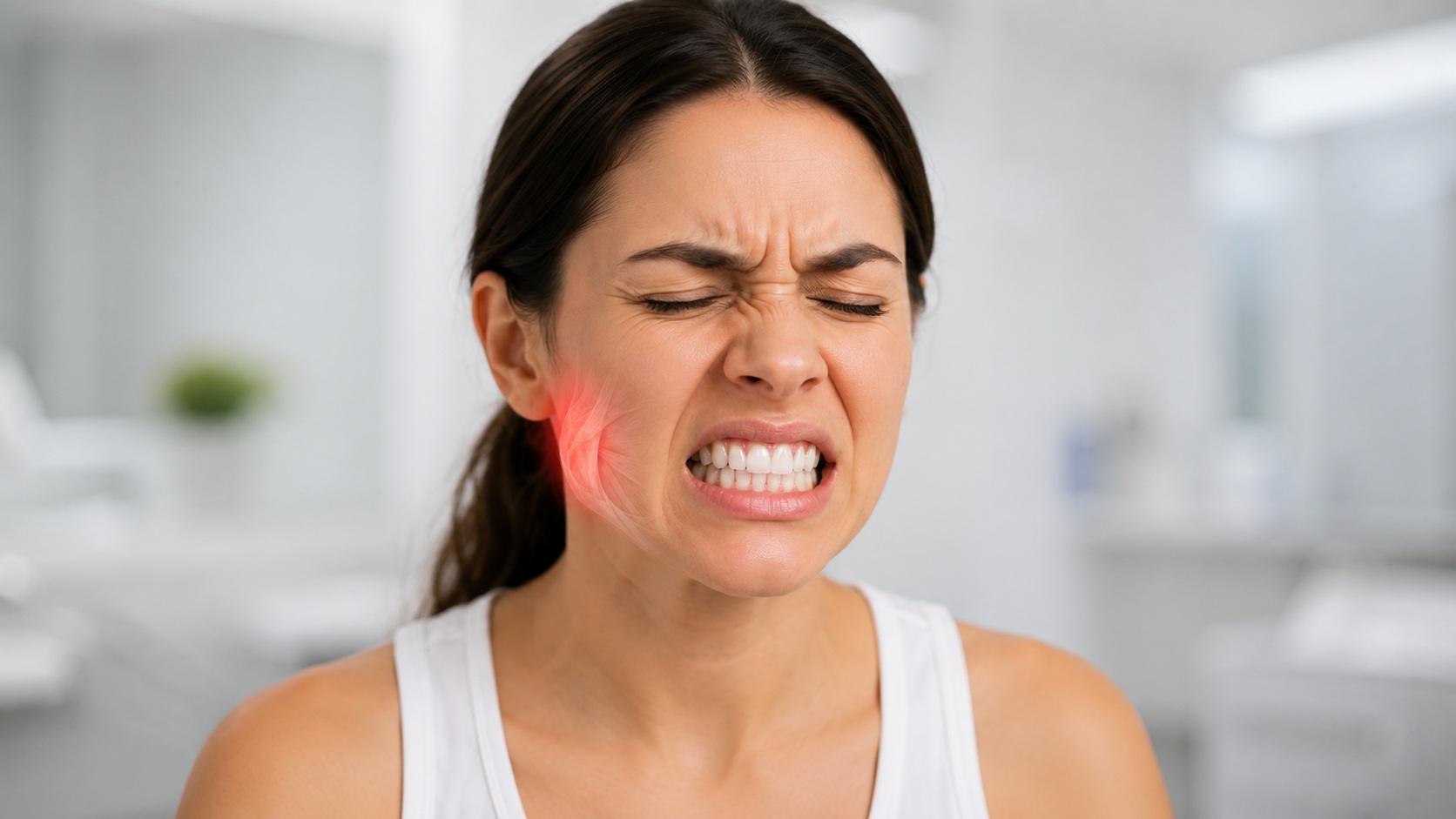
What Is Teeth Grinding (Bruxism)? What Are the Treatment Methods?
What Is Teeth Grinding (Bruxism)? What Are the Treatment Methods?
Teeth clenching and grinding are common oral health problems, although many people may not realize that they have them. Medically known as bruxism, this condition refers to the involuntary clenching, pressing, or grinding of the teeth outside normal functions such as chewing or speaking.
Bruxism may occur while a person is awake or during sleep. Nighttime teeth grinding often goes unnoticed because the person is asleep. It may reveal itself through morning jaw pain, headaches, tooth sensitivity, or a feeling of facial fatigue.
When bruxism continues for a long time and is left untreated, it may cause enamel wear, cracks and fractures in the teeth, damage to fillings, jaw muscle pain, and temporomandibular joint problems. Therefore, early recognition of the symptoms and evaluation by a dentist are important.
What Is Teeth Grinding (Bruxism)?
Bruxism is a repetitive jaw muscle activity characterized by involuntary clenching or grinding of the teeth. During clenching, a person presses the upper and lower jaws firmly together. During grinding, the teeth move back and forth or from side to side against each other.
Bruxism is not always considered a disease. Mild and temporary cases may not cause any symptoms or dental damage. However, frequent and severe bruxism may lead to jaw pain, headaches, tooth wear, and tooth fractures.
Bruxism is generally divided into two categories:
Awake Bruxism
Awake bruxism occurs when a person unconsciously clenches the jaw or presses the teeth together during the day. It is commonly associated with stressful work environments, intense concentration, anger, anxiety, or emotional tension.
Awake bruxism usually involves sustained jaw clenching rather than grinding. Once the person becomes aware of the habit, they may be able to consciously relax their jaw.
Sleep Bruxism
Sleep bruxism occurs when a person clenches or grinds their teeth during sleep. Because the person is asleep, they are often unaware of the behavior. It may be noticed by a partner who hears the grinding sounds or by a dentist who identifies tooth wear during an examination.
Sleep bruxism is regarded as a movement-related activity that occurs during sleep. In some people, it may be associated with snoring, reduced sleep quality, or sleep disorders such as obstructive sleep apnea.
What Causes Teeth Grinding?
Bruxism does not have a single cause. It usually develops due to a combination of psychological, physical, lifestyle-related, and sleep-related factors.
Stress and Anxiety
Stress, anxiety, a demanding work schedule, anger, and emotional pressure may trigger teeth grinding. A person may unconsciously transfer emotional tension to the jaw muscles.
Stress and anxiety are especially important factors in awake bruxism. Jaw clenching during periods of intense concentration is also common.
Sleep Disorders
Problems affecting sleep quality may be associated with nighttime teeth grinding. Bruxism symptoms may occur in people who snore, wake frequently, have irregular sleep patterns, or suffer from obstructive sleep apnea.
When nighttime teeth grinding is accompanied by snoring, pauses in breathing during sleep, morning fatigue, or excessive daytime sleepiness, the person may also need to be evaluated for sleep disorders.
Psychological Factors
Anxiety disorders, intense emotional pressure, suppressed anger, and depressive moods may contribute to involuntary contraction of the jaw muscles in some people. In such cases, psychological factors should be assessed in addition to protecting the teeth.
Caffeine, Alcohol, and Smoking
Excessive consumption of coffee, tea, or energy drinks may have a stimulating effect, particularly in the evening, and may reduce sleep quality. Alcohol and nicotine use may also increase the risk of nighttime teeth grinding in some people.
Certain Medications
Some antidepressants, stimulant medications used for attention deficit hyperactivity disorder, and certain drugs that affect the nervous system may trigger bruxism.
When symptoms begin after starting a medication, the medication should not be stopped without medical advice. The prescribing physician should be informed.
Genetic Predisposition
People with a family history of sleep bruxism may have a greater likelihood of developing the same condition. Genetic predisposition may be particularly relevant in nighttime teeth grinding that begins during childhood.
Dental and Jaw Problems
The way the teeth meet, missing teeth, or structural jaw problems may contribute to increased jaw muscle activity in some people. However, current approaches do not consider bruxism to be caused solely by an abnormal bite. The central nervous system, sleep patterns, and psychosocial factors are believed to play a more important role in sleep bruxism.
What Are the Symptoms of Bruxism?
Bruxism symptoms vary from person to person. Mild cases may cause no symptoms, while severe cases may lead to significant problems involving the teeth and jaw joint.
Common symptoms include:
- Jaw pain or fatigue in the morning
- Tightness and stiffness in the jaw muscles
- Headaches around the temples or forehead
- Flattening and wearing down of the teeth
- Small fractures or cracks along the tooth edges
- Sensitivity to hot, cold, or sweet foods
- Broken fillings, crowns, or restorations
- Clicking or popping sounds from the jaw joint
- Difficulty or limitation when opening the mouth
- Pain or pressure around the ears
- Bite lines inside the cheeks
- Tooth marks along the sides of the tongue
- Grinding sounds during sleep
- Waking up feeling unrested
- Muscle pain spreading to the neck and shoulders
Headaches, jaw pain, muscle fatigue, and dental damage are among the most common consequences of bruxism.
How Does Bruxism Damage the Teeth?
Bruxism may place prolonged and uncontrolled pressure on the teeth beyond the forces normally produced during chewing. Over time, this pressure may wear down the enamel and weaken the tooth structure.
Possible effects include:
Enamel Wear
Repeated grinding may gradually wear down the protective enamel layer. The teeth may become shorter, their chewing surfaces may flatten, and the more yellow dentin layer underneath may become visible.
Tooth Sensitivity
As enamel becomes thinner, sensitivity to hot, cold, acidic, or sweet foods may develop.
Cracks and Fractures
Excessive pressure may cause small cracks in healthy teeth and more serious fractures in filled or root canal-treated teeth.
Damage to Fillings and Crowns
Bruxism may damage not only natural teeth but also fillings, porcelain crowns, zirconia restorations, and implant-supported prostheses. Cracking, breakage, or loosening may occur.
Effects on the Gums and Supporting Tissues
Excessive force on the teeth may strain the surrounding supporting tissues and cause tenderness or discomfort in some people.
Can Teeth Grinding Affect the Jaw Joint?
Bruxism may place excessive strain on the temporomandibular joint, which allows the lower jaw to move, as well as on the surrounding muscles.
Possible symptoms include:
- Jaw joint pain
- Clicking or rubbing sounds when opening the mouth
- Jaw locking
- Reduced mouth opening
- Pain while chewing
- Discomfort spreading to the face, ears, and temples
However, not every jaw joint problem is caused by bruxism. Similar symptoms may develop because of other muscle or joint conditions, so a dental examination is necessary for an accurate diagnosis.
How Is Bruxism Diagnosed?
Bruxism is usually diagnosed based on the patient’s symptoms and a dental examination. The dentist evaluates signs such as tooth wear, enamel cracks, broken restorations, bite marks inside the cheeks, and tenderness in the jaw muscles.
The examination may include an assessment of:
- The pattern of tooth wear
- Cracks or fractures in the teeth
- The condition of fillings and crowns
- Jaw muscle size and tenderness
- Jaw joint movements
- Mouth opening
- The bite relationship
- The location and duration of morning pain
- Sleep quality and snoring history
- Medications being used
- Daily stress levels
When sleep apnea or another sleep disorder is suspected, the patient may be referred to a sleep medicine specialist. A sleep study may be recommended when necessary.
How Is Bruxism Treated?
Bruxism treatment is planned according to the severity of the symptoms, the level of dental damage, whether the condition occurs during wakefulness or sleep, and the underlying causes.
The main goals of treatment are to:
- Protect the teeth from excessive force
- Reduce jaw muscle pain
- Prevent further wear and fractures
- Reduce strain on the jaw joint
- Control triggering factors
- Restore damaged tooth structures
There is no single treatment that works for every patient. Night guards, behavioral changes, stress management, and other therapies are often used together.
Does a Night Guard Treat Bruxism?
A night guard is one of the most common methods used in bruxism management. This transparent appliance is custom-made for the upper or lower jaw and prevents direct contact between the teeth during sleep.
The main purposes of a night guard are to:
- Protect enamel from wear
- Reduce the risk of cracks and fractures
- Protect fillings and crowns
- Regulate pressure on the muscles and jaw joint
- Reduce morning pain in some patients
A night guard does not always stop the clenching or grinding behavior completely. Its main purpose is to protect the teeth from damage.
The appliance should be custom-made by a dentist. Poorly fitting over-the-counter guards may cause discomfort, alter the bite, or worsen jaw pain.
Stress Management and Behavioral Therapy
When teeth grinding is associated with stress, anxiety, or habitual behavior, behavioral approaches become an important part of treatment.
Helpful methods may include:
- Checking throughout the day whether the teeth are touching
- Setting reminders on a phone or computer
- Keeping the lips closed while allowing the teeth to remain apart
- Consciously relaxing the jaw and facial muscles
- Practicing breathing exercises
- Using meditation and relaxation techniques
- Exercising regularly
- Creating a calming bedtime routine
- Seeking psychological support when necessary
- Using cognitive behavioral therapy techniques
Stress-reduction methods and cognitive behavioral therapy may help control symptoms, especially when bruxism is associated with emotional stress.
Jaw Exercises and Physical Therapy
People with excessive muscle tension, pain, or restricted jaw movement may benefit from exercises recommended by a dentist or physiotherapist.
Treatment may include:
- Warm compresses over the jaw muscles
- Controlled opening and closing exercises
- Massage
- Stretching exercises for the neck and shoulders
- Posture correction
- Manual therapy
Exercises should not be performed excessively or without professional guidance, as improper techniques may increase pain.
Botox Treatment for Bruxism
In severe cases, botulinum toxin may be injected into the masseter muscles, which are the main chewing muscles. The aim is to temporarily reduce excessive muscle force.
Botulinum toxin treatment may:
- Reduce excessive jaw muscle contraction
- Relieve jaw and temple pain
- Decrease the pressure placed on the teeth
- Reduce facial widening caused by enlarged jaw muscles
However, Botox is not suitable for every patient, and its effects are temporary. Repeat applications may be necessary. It may also reduce muscle activity without eliminating the underlying cause of bruxism.
The procedure should be performed only after a detailed examination and by a qualified healthcare professional.
Medication
There is no single standard medication used routinely for bruxism. In selected cases, a doctor may recommend short-term muscle relaxants, pain relievers, or medications aimed at underlying anxiety or sleep problems.
When bruxism is thought to be medication-related, the prescribing doctor should be consulted. The patient should not adjust the dosage or stop the medication without medical advice.
Repairing Damaged Teeth
When bruxism causes tooth wear, cracks, or fractures, damaged teeth may need to be restored in addition to using protective treatments.
Depending on the extent of damage, treatment options may include:
- Composite fillings
- Dental bonding
- Porcelain or zirconia crowns
- Onlay or overlay restorations
- Root canal treatment
- Tooth extraction and implant treatment in advanced cases
Bruxism should be controlled before extensive restorative treatment is performed. Otherwise, newly placed fillings or crowns may also be damaged by excessive force.
Treatment of Sleep Apnea
When nighttime teeth grinding is accompanied by loud snoring, breathing pauses, morning headaches, or daytime sleepiness, obstructive sleep apnea should be investigated.
Treating sleep apnea may improve sleep quality and may help reduce nighttime jaw muscle activity in some people. In these cases, dentists, ear, nose and throat specialists, and sleep medicine specialists may work together.
What Can Be Done at Home to Reduce Teeth Grinding?
Although bruxism cannot always be completely eliminated, changing certain habits may help reduce symptoms.
Monitor Your Jaw During the Day
In a resting position, the lips may remain lightly closed, but the upper and lower teeth should not touch. The tip of the tongue may rest gently on the palate behind the upper front teeth.
Limit Chewing Gum
Chewing gum for long periods may overwork the jaw muscles and increase muscle pain.
Avoid Hard Foods
During periods of intense jaw pain, hard nuts, crusty bread, and foods requiring prolonged chewing may be limited.
Reduce Evening Caffeine Intake
Coffee, energy drinks, and large amounts of tea consumed in the evening may negatively affect sleep quality.
Reduce Alcohol and Smoking
Alcohol and nicotine may disrupt sleep and increase nighttime teeth grinding in some people.
Maintain a Regular Sleep Schedule
Going to bed at similar times each day, reducing screen use before sleep, and creating a comfortable sleep environment may support better sleep quality.
Apply Warm Compresses
A warm compress placed over the jaw muscles for a short period may provide relief. Persistent, severe, or worsening pain should be evaluated by a dentist.
Is Teeth Grinding Normal in Children?
Nighttime teeth grinding may occur in children, particularly while baby teeth are erupting or when permanent teeth are replacing them. In many children, the condition decreases naturally with age.
A pediatric dentist should be consulted when:
- There is significant tooth wear
- The child wakes up with jaw pain
- Tooth fractures or sensitivity develop
- Loud snoring or breathing pauses occur during sleep
- Sleep quality is affected
- Headaches occur frequently
Night guard use in children should be evaluated carefully by a pediatric dentist because growth and dental development must be taken into account.
Can Bruxism Go Away on Its Own?
Bruxism may decrease when a stressful period ends. In children, it may disappear as they grow older. However, long-term bruxism that causes pain or visible tooth wear should not simply be left untreated.
When bruxism is not controlled, tooth wear and fractures may become permanent. Lost enamel does not regenerate naturally. Early protective measures are therefore important.
What Happens If Bruxism Is Left Untreated?
Severe and long-term teeth grinding may lead to:
- Advanced enamel wear
- Shortening of the teeth
- Tooth sensitivity
- Tooth cracks and fractures
- Damage to fillings and crowns
- Tooth loss
- Persistent jaw and facial pain
- Chronic headaches
- Temporomandibular joint disorders
- Restricted mouth opening
- Reduced sleep quality
- Neck and shoulder tension
- Changes in facial and dental appearance
When bruxism is controlled early, the need for more extensive and costly dental treatments may be reduced.
When Should You See a Dentist?
A dental examination is recommended when one or more of the following symptoms are present:
- Persistent jaw pain in the morning
- Visible tooth wear or shortening
- Cracked or broken teeth
- Repeatedly broken fillings or crowns
- Unexplained tooth sensitivity
- Clicking sounds from the jaw joint
- Difficulty opening the mouth
- Headaches spreading to the temples
- Loud teeth grinding during sleep
- Snoring or breathing pauses during sleep
Immediate dental attention is recommended in cases of sudden severe jaw pain, jaw locking, significantly reduced mouth opening, or a fractured tooth.
Teeth grinding, also known as bruxism, is not merely an unpleasant habit. When it continues over time, it may cause enamel wear, cracks, fractures, jaw muscle pain, and temporomandibular joint problems.
The goal of treatment is not only to stop grinding but also to protect the teeth, reduce pain, and identify triggering factors. Custom-made night guards, stress management, behavioral changes, physical therapy, treatment of sleep disorders, and botulinum toxin injections may be included in the treatment plan when appropriate.
When you wake up with jaw pain, notice tooth wear, or are told that you grind your teeth during sleep, an early dental examination may help protect both your teeth and your jaw joint.
The images used in this content do not belong to a real patient. The visuals are stock photos obtained from online content provider image platforms.
Publication Date: 21.07.2026
Editor: Uğur Aktaş
Contact Number: +90 545 450 71 41
Contact Email: info@snyclinic.com