


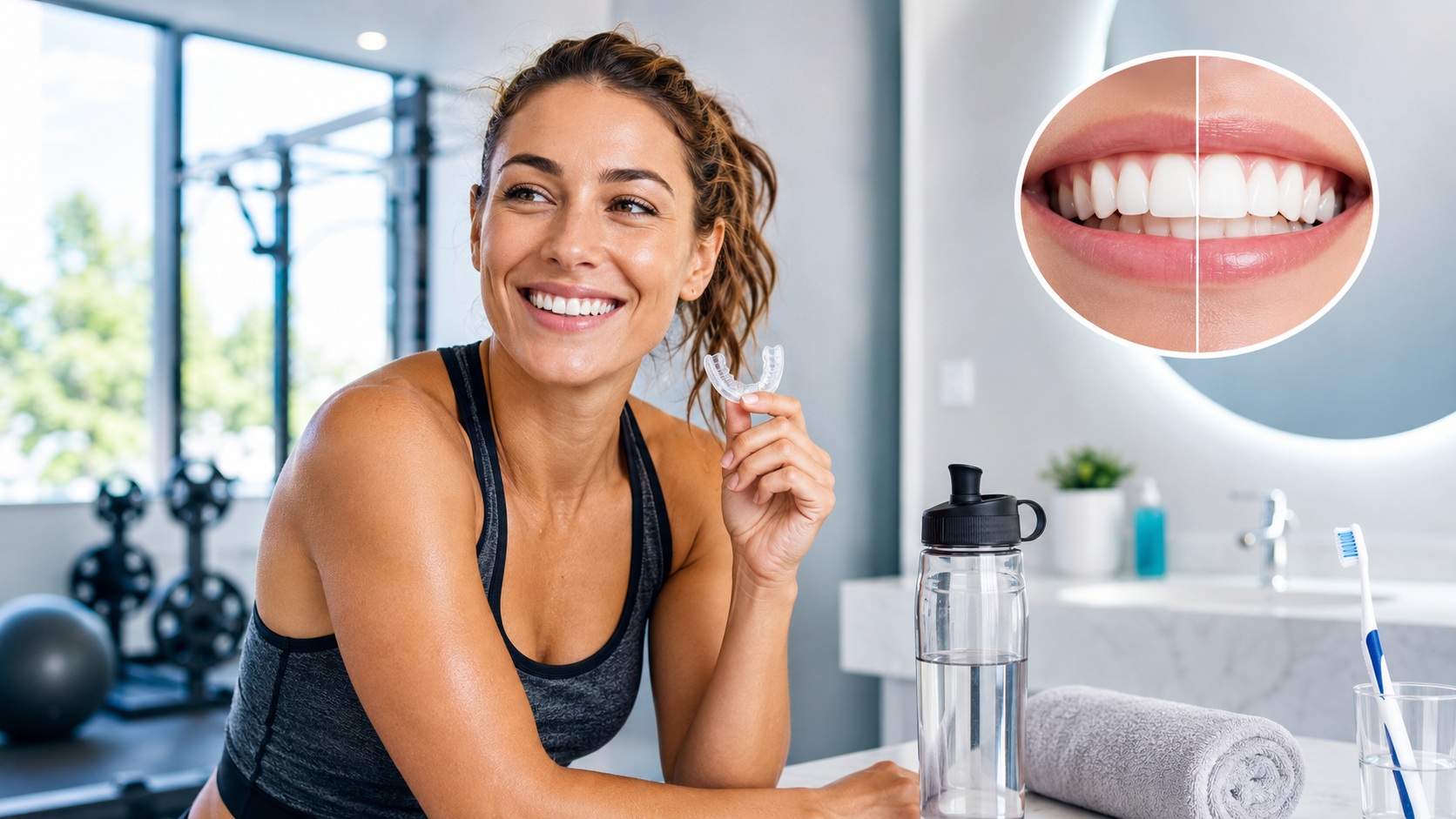
The Relationship Between Sports and Oral Health
The Relationship Between Sports and Oral Health
Exercise is extremely important for supporting cardiovascular health, strengthening muscles, maintaining an ideal body weight, and improving quality of life. However, people who exercise regularly should pay attention not only to their muscles, joints, and nutrition but also to their oral and dental health.
Dry mouth during intense training, frequent consumption of sports drinks, carbohydrate-rich diets, and impacts that may occur during contact sports can increase the risk of tooth decay, dental erosion, gum problems, and oral injuries. Conversely, toothache, infections, and chewing difficulties may negatively affect an athlete’s nutrition, sleep quality, concentration, and training performance.
For this reason, oral health should be considered an important part of the overall health routine of both professional athletes and individuals who exercise regularly.
How Does Exercise Affect Oral and Dental Health?
Exercise itself does not directly damage the teeth. The risk generally arises from physiological changes during training, dietary habits, and the beverages consumed.
During intense exercise, breathing becomes faster, and many people begin breathing through their mouths. Fluid loss through sweating can also reduce saliva production. Saliva is a natural defense mechanism that keeps the mouth moist, helps remove food particles, and limits the harmful effects of acids on the teeth.
When saliva production decreases, dry mouth may develop. This can make the teeth more vulnerable to acids, increase bad breath, and raise the risk of tooth decay. Fluid loss and dry mouth during exercise may also intensify the effects of acidic beverages on tooth enamel.
Why Is Dry Mouth Common Among Athletes?
One of the main causes of dry mouth in athletes is inadequate water intake. During long training sessions, fluid loss increases as sweating becomes more intense. Mouth breathing also causes moisture inside the mouth to evaporate more quickly.
The following symptoms may occur in people experiencing dry mouth:
- A constant need to drink water
- A sticky or dry feeling in the mouth
- Difficulty speaking or swallowing
- Bad breath
- Cracked lips
- Burning or sensitivity on the tongue
- An increase in tooth decay
Drinking enough water before, during, and after exercise may help reduce dry mouth. For most people, water should be the first choice for meeting fluid needs during physical activity.
Do Sports Drinks Damage Teeth?
Sports drinks may be used to replace fluids and electrolytes lost during intense exercise. However, some sports drinks contain high amounts of sugar and acid.
Sugar can be used by bacteria in the mouth to produce acids. Over time, these acids may weaken tooth enamel and contribute to cavity formation. The acidic nature of the beverage itself may also cause surface loss known as dental erosion, even when the drink is sugar-free.
The risk of damage from sports drinks may increase in the following situations:
- Sipping the drink repeatedly throughout training
- Holding the drink in the mouth before swallowing
- Consuming it during every workout
- Not drinking water afterward
- Experiencing dry mouth
- Having inadequate daily oral hygiene
Rinsing the mouth with water after consuming a sports drink may be beneficial. Instead of brushing immediately after acidic drinks, it may be better to wait for the oral environment to return to balance.
Should Teeth Be Brushed Immediately After Sports Drinks?
After consuming an acidic sports drink, the tooth surface may temporarily become more vulnerable. Brushing aggressively during this period may contribute to the wear of weakened enamel.
For this reason, the mouth should first be rinsed with water. Waiting approximately 30 minutes before brushing may be more appropriate.
Can Dental and Gum Problems Affect Sports Performance?
Oral and dental problems may affect more than just the mouth. Severe toothache, gum inflammation, dental abscesses, and chewing difficulties may interfere with an athlete’s daily life and training routine.
An athlete experiencing tooth pain may struggle to sleep properly, have difficulty maintaining a balanced diet, and lose concentration during training. Discomfort caused by infection, pain, or sensitivity may become more noticeable during physical exertion.
Poor oral health may indirectly affect:
- Sleep quality
- Concentration
- Nutrition
- Chewing function
- Motivation to exercise
- Daily comfort
- Preparation for competitions
Why Are Gum Diseases Important for Athletes?
Gum disease commonly presents with bleeding, swelling, redness, and bad breath. In advanced cases, the bone supporting the teeth may become damaged, potentially leading to loose teeth.
Athletes with demanding training schedules may neglect oral hygiene because of limited time or frequent travel. Regular consumption of snacks and sticky products such as protein bars may also increase plaque accumulation.
Bleeding gums should not be considered normal. If bleeding occurs regularly during brushing, a dental examination should be arranged.
Do Protein Bars and Carbohydrate-Rich Snacks Affect Teeth?
Athletes may consume protein bars, energy gels, dried fruit, and carbohydrate-containing snacks to meet their energy needs throughout the day.
Some of these products can stick to tooth surfaces and remain in the mouth for a long time. Frequent consumption of sugary and carbohydrate-rich foods throughout the day may lead to repeated acid attacks in the mouth.
Rinsing the mouth with water after snacks, choosing sugar-free alternatives when possible, and limiting constant snacking between meals may help protect oral health.
How Do Dental Injuries Occur During Sports?
Oral and dental injuries may occur in high-contact sports such as football, basketball, boxing, kickboxing, wrestling, taekwondo, and handball.
An impact may cause:
- Cracked teeth
- Broken teeth
- Loose teeth
- Complete tooth displacement
- Injuries to the lips, tongue, or cheeks
- Damage to the jawbone
- Damage to existing fillings or crowns
Dental trauma may affect the teeth, mouth, and surrounding oral tissues.
Why Should Athletes Use Mouthguards?
A sports mouthguard is a protective appliance designed to reduce the impact of blows to the mouth. People participating in contact and combat sports should use an appropriate mouthguard.
Sports mouthguards are generally available as ready-made models, boil-and-bite models, and custom-made appliances. The best fit and protection are usually provided by mouthguards prepared by a dentist according to the individual’s oral structure.
Poorly fitting mouthguards may make speaking and breathing difficult. They may also move inside the mouth and fail to provide adequate protection.
How Should a Sports Mouthguard Be Cleaned?
A sports mouthguard should be cleaned after every use. An unclean mouthguard may accumulate bacteria and develop an unpleasant odor.
For proper care:
- Rinse it with cold or lukewarm water after use.
- Clean it gently with a soft brush.
- Store it in a clean, ventilated container.
- Keep it away from direct sunlight and high temperatures.
- Replace it if it becomes cracked, torn, or distorted.
- Never share it with another person.
Because the jaws and teeth of children and teenagers are still developing, the fit of their mouthguards should be checked regularly.
How Should Oral Care Be Performed After Exercise?
Oral care should receive the same attention as general body care after training.
Recommended steps after exercise include:
- Replace lost fluids primarily with water.
- If a sports drink was consumed, rinse the mouth with water.
- Avoid brushing aggressively immediately after acidic drinks.
- Brush twice a day with fluoride toothpaste.
- Clean between the teeth at least once a day.
- Clean and dry the mouthguard after use.
- Consult a dentist if pain, sensitivity, or bleeding continues.
Chewing sugar-free gum may also help stimulate saliva production. However, gum should not replace toothbrushing or interdental cleaning.
How Often Should Athletes Visit the Dentist?
Athletes should not visit the dentist only when pain occurs. Regular dental check-ups can identify early-stage cavities, gum problems, teeth grinding, and enamel erosion before they cause significant symptoms.
The recommended frequency of dental visits depends on the individual’s oral health, cavity risk, use of dental appliances, and type of sport. People who participate in contact sports, frequently consume sports drinks, experience dry mouth, or undergo orthodontic treatment may need closer monitoring.
Can People With Braces Exercise?
People wearing braces or clear aligners can participate in most sports. However, impacts to the mouth during contact sports may damage both the teeth and orthodontic appliances.
Athletes with fixed braces may use specially designed mouthguards that cover the brackets. People using clear aligners should follow their orthodontist’s recommendations regarding aligner use during training and competitions.
Is Teeth Clenching Common Among Athletes?
During exercises that require intense concentration, some people may unconsciously clench their teeth. Excessive jaw muscle tension may occur during weightlifting, sprinting, combat sports, and other high-intensity activities.
Over time, teeth clenching may cause:
- Tooth wear
- Cracked teeth
- Damage to fillings and crowns
- Jaw muscle pain
- Headaches
- Clicking or tenderness in the jaw joint
People who notice that they clench their jaw during exercise should pay attention to their breathing and jaw position. A dental examination may be necessary if symptoms continue.
What Should Athletes Do to Protect Their Oral Health?
Athletes should follow these precautions to protect their teeth and gums:
- Maintain adequate daily hydration.
- Prioritize water during training.
- Avoid unnecessary use of sports and energy drinks.
- Do not sip sugary beverages over long periods.
- Brush and clean between the teeth every day.
- Reduce the frequency of sticky and sugary snacks.
- Use a properly fitted mouthguard during contact sports.
- Do not ignore gum bleeding, pain, or sensitivity.
- Attend regular dental check-ups.
The relationship between sports and oral health works in both directions. Fluid loss and dry mouth during intense exercise, frequent consumption of sports drinks, carbohydrate-rich snacks, and the risk of injury in contact sports may negatively affect oral health.
On the other hand, toothache, infections, gum disease, and chewing problems may interfere with an athlete’s nutrition, sleep, concentration, and training performance.
Regular oral care, adequate water intake, a balanced diet, the use of a suitable sports mouthguard, and routine dental examinations can help protect oral and dental health while participating in sports.
A healthy and active lifestyle depends not only on strong muscles but also on healthy teeth and gums.
The images used in this content do not belong to a real patient. The visuals are stock photos obtained from online content provider image platforms.
Publication Date: 23.07.2026
Editor: Uğur Aktaş
Contact Number: +90 545 450 71 41
Contact Email: info@snyclinic.com