


Are Crooked Teeth Only a Cosmetic Problem?
Are Crooked Teeth Only a Cosmetic Problem?
Crooked or crowded teeth are often associated solely with the appearance of a person’s smile. However, overlapping, rotated, or improperly positioned teeth can affect various aspects of oral health, from daily hygiene to chewing function. For this reason, dental crowding should not be evaluated only in terms of how the teeth look.
What Is Dental Crowding?
Dental crowding occurs when there is not enough space in the jaw for the teeth to align properly or when teeth erupt in positions other than their ideal locations. In mild cases, there may be only a small alignment problem. In more advanced cases, the teeth may overlap, rotate, or have difficulty erupting.
Genetic characteristics, a mismatch between tooth and jaw size, the early or delayed loss of primary teeth, missing or extra teeth, and certain childhood oral habits can all contribute to dental crowding.
It Can Make Oral Hygiene More Difficult
One of the most significant effects of crowded teeth is that certain areas may become difficult to clean properly with a toothbrush and dental floss. Plaque and food debris can accumulate more easily around overlapping or rotated teeth.
Without regular and thorough oral care, this may contribute to:
- An increased risk of tooth decay,
- Redness and bleeding of the gums,
- Bad breath,
- Tartar buildup,
- The progression of gum disease.
Of course, having crowded teeth does not necessarily mean that a person will develop cavities or gum disease. However, the presence of hard-to-clean areas makes careful oral hygiene especially important.
It May Affect Chewing and Bite Alignment
The position of the teeth is closely related to how the upper and lower jaws meet. Dental crowding may be accompanied by problems such as a deep bite, open bite, crossbite, or misalignment between the upper and lower jaws.
Depending on the type and severity of the bite problem, biting and grinding food may become more difficult. Some teeth may also carry more pressure than others. Over time, this imbalance may lead to uneven wear, sensitivity, or increased strain on existing dental restorations.
Jaw pain or clicking sounds should not automatically be attributed to crooked teeth. Temporomandibular joint problems can have many different causes and require a clinical examination for an accurate assessment.
Protruding Teeth May Be More Vulnerable to Injury
If dental crowding is accompanied by protruding front teeth, these teeth may be more vulnerable to injury during falls, accidents, or sports activities. This risk should be considered particularly in children and people who participate in active sports.
Can Crooked Teeth Affect Speech?
The position of the teeth and jaws plays a role in producing certain sounds. Significant dental or jaw misalignment may affect speech in some individuals. However, not every speech problem is caused by crooked teeth. When necessary, an orthodontist and a speech and language therapist may assess the condition together.
There May Also Be Psychological and Social Effects
People who feel self-conscious about their smiles may avoid photographs, cover their mouths when laughing, or feel uncomfortable speaking in social situations. This can affect self-confidence and social well-being.
Cosmetic concerns should not be dismissed. However, the purpose of an orthodontic assessment is not simply to create straighter-looking teeth. Oral health, bite alignment, chewing function, and the long-term outcome of treatment should also be considered.
Does Every Case of Dental Crowding Require Treatment?
Not every case of dental crowding is the same, and not every patient requires treatment to the same extent. A mild irregularity may cause only a cosmetic concern, while a more severe case may interfere with cleaning, biting, or chewing.
When determining whether treatment is necessary, the following factors are generally considered:
- The severity of the crowding,
- The health of the teeth and gums,
- The relationship between the upper and lower jaws,
- Jaw development,
- The presence of unerupted or impacted teeth,
- The patient’s age, expectations, and oral hygiene habits.
Treatment decisions should therefore not be based solely on looking in the mirror or using online assessment tools.
What Are the Treatment Options?
Orthodontic treatment is planned individually. Options may include fixed metal or tooth-coloured braces, clear aligners, and, in some growing children, jaw-expanding or growth-guiding appliances. In cases involving severe space limitations, other treatment approaches or tooth extraction may be considered.
Clear aligners may not be suitable for every patient. The safest and most effective treatment option depends on the severity of the crowding, the type of bite problem, gum health, and the patient’s ability to follow the treatment plan.
After active orthodontic treatment has been completed, retainers are usually required to help the teeth maintain their new positions. Retention is an essential part of the treatment process.
When Should You Consult an Orthodontist?
You may wish to consult a dentist or orthodontist if you notice significant overlapping of the teeth, areas that are difficult to clean, frequent gum bleeding, difficulty chewing, an abnormal bite, teeth that have not erupted, or irregularity that appears to be getting worse.
An early assessment in children can help monitor jaw development and the eruption of permanent teeth. However, orthodontic treatment is not limited to children. It may also be suitable for adults whose teeth and gums are healthy enough for treatment.
Crooked teeth may create cosmetic concerns, but their effects are not always limited to appearance. They can make oral hygiene more difficult and may contribute to tooth decay, gum disease, bite problems, and uneven tooth wear.
The best approach is to have the condition assessed individually. An orthodontic examination can determine whether treatment is necessary and which treatment method may be appropriate.
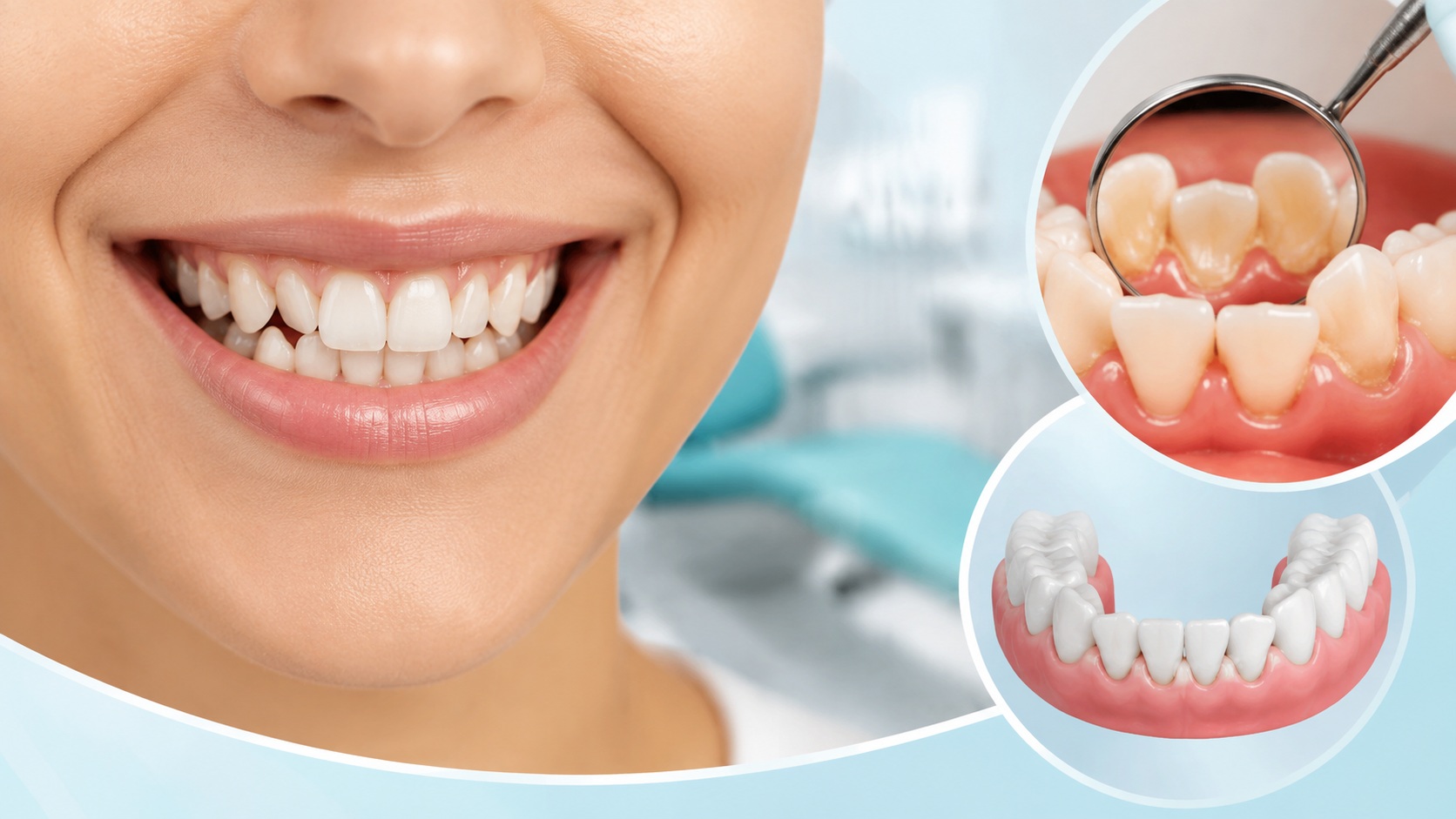
The images used in this content do not belong to a real patient. The visuals are stock photos obtained from online content provider image platforms.
Publication Date: 18.08.2026
Editor: Uğur Aktaş
Contact Number: +90 545 450 71 41
Contact Email: info@snyclinic.com