


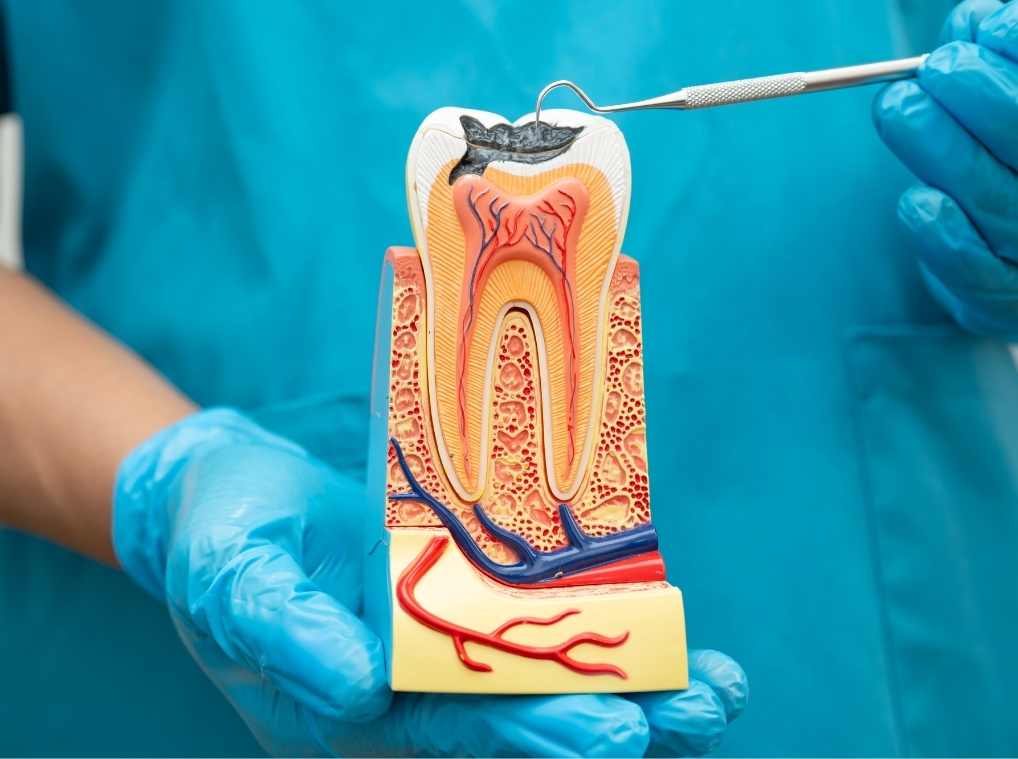
Why Does a Tooth Require a Crown After Root Canal Treatment?
Why Does a Tooth Require a Crown After Root Canal Treatment?
Root canal treatment is an important dental procedure aimed at saving a tooth by removing infected or damaged pulp tissue from inside the tooth. Thanks to this treatment, the tooth can remain in the mouth instead of being extracted. However, one common question many patients ask is: Why is a crown (cap) recommended after a root canal treatment?
In this article, we will explain in detail why a tooth becomes weaker after root canal therapy, when a crown is necessary, and the advantages of this restoration.
What Is Root Canal Treatment?
Root canal treatment is a procedure performed when the pulp (the inner tissue containing nerves and blood vessels) becomes infected or damaged due to decay or trauma. During the procedure:
- The infected pulp tissue is removed
- The root canals are cleaned and disinfected
- The canals are filled with special materials
- The upper part of the tooth is restored
When successfully completed, the tooth remains functional in the mouth.
Why Does a Tooth Become Weaker After a Root Canal?
After a root canal treatment, significant structural changes occur in the tooth, making it more fragile compared to its natural state.
1. Loss of Nerve and Nutrition
During the procedure, the tooth’s nerve is removed. As a result, the tooth loses its vitality. Non-vital teeth tend to become more brittle over time.
2. Loss of Tooth Structure
Root canal treatment is usually performed on teeth that already have extensive decay or damage. This means a significant portion of the tooth structure has already been lost.
3. Reduced Moisture and Flexibility
Healthy teeth have a certain level of طبیعی moisture and flexibility. After treatment, the tooth becomes drier and more rigid, increasing the risk of cracks.
What Is a Dental Crown?
A crown (cap) is a type of restoration that completely covers the tooth. It protects the tooth from external forces and restores its appearance.
Crowns are typically made from materials such as:
- Zirconia
- Porcelain
- Metal-supported porcelain
The goal is to strengthen the tooth while also providing a natural look.
Why Is a Crown Necessary After Root Canal Treatment?
There are several important reasons why a crown is recommended after a root canal:
1. Protects the Tooth from Fractures
Teeth that have undergone root canal treatment are more fragile. Especially molars are exposed to high chewing forces. A crown surrounds the tooth and distributes these forces, significantly reducing the risk of fracture.
2. Extends the Lifespan of the Tooth
Without a crown, a treated tooth may crack or break over time. A crown helps the tooth last much longer in the mouth.
3. Restores Chewing Function
Weak teeth make it difficult and risky to chew hard foods. A crown increases durability and allows normal chewing function to return.
4. Improves Aesthetics
After root canal treatment, teeth may become discolored. A crown restores a natural and aesthetically pleasing appearance.
5. Provides a Seal Against Bacteria
A crown fully covers the tooth, preventing bacteria from re-entering and reducing the risk of reinfection.
Which Teeth Need a Crown the Most?
Not every root canal-treated tooth requires a crown, but in some cases, it is strongly recommended:
Molars (Back Teeth)
- Subjected to the highest chewing forces
- Higher risk of fracture
- Crowns are almost always recommended
Teeth with Significant Structure Loss
- When most of the tooth is restored with a filling
- When the remaining walls are thin
Teeth with Retreatment
- Structurally weaker due to repeated procedures
What Happens If a Crown Is Not Placed?
If a crown is not placed after root canal treatment, several risks may arise:
- Cracking or breaking of the tooth
- Filling failure
- Reinfection
- Complete loss of the tooth
For this reason, following your dentist’s recommendation is crucial.
How Does the Crown Procedure Work?
The crown process is typically completed in a few steps:
1. Tooth Preparation
The tooth is shaped and reduced to fit the crown.
2. Impression Taking
An impression of the tooth is taken and sent to the dental laboratory.
3. Temporary Crown
A temporary crown is placed to protect the tooth while the permanent one is being made.
4. Final Crown Placement
The permanent crown is cemented onto the tooth.
How Is the Type of Crown Selected?
The type of crown depends on the patient’s needs:
- Zirconia crowns: Durable and highly aesthetic
- Porcelain crowns: Preferred for front teeth due to aesthetics
- Metal-supported crowns: Strong but less aesthetic
Your dentist will recommend the best option based on the location and condition of the tooth.
How Long Does a Root Canal-Treated Tooth Last?
With proper treatment and a well-placed crown:
- The tooth can last 10–15 years or longer
- With good oral care, it may last a lifetime
However, longevity depends on oral hygiene and habits.
What Should You Pay Attention to After Treatment?
Even after a crown is placed, proper care is essential:
- Avoid biting very hard foods
- Brush your teeth regularly
- Use dental floss daily
- Visit your dentist regularly
- Treat teeth grinding (bruxism) if present
Is a Crown Always Necessary?
In some cases, especially for front teeth with minimal damage, a crown may not be necessary. However, if:
- The tooth has significant damage
- It is located in the back of the mouth
- It is exposed to heavy chewing forces
A crown is usually the safest and most durable solution.
Root canal treatment is a valuable procedure that saves the tooth, but protecting the tooth afterward is just as important as the treatment itself. Since root canal-treated teeth become weaker over time, placing a crown helps protect against fractures, restores function, and ensures long-term durability.
Especially for molars and teeth with significant structural loss, getting a crown can prevent more serious problems in the future. Following your dentist’s recommendations is the best way to maintain your oral health.
The images used in this content do not belong to a real patient. The visuals are stock photos obtained from online content provider image platforms.
Publication Date: 17.04.2026
Editor: Uğur Aktaş
Contact Number: +90 545 450 71 41
Contact Email: info@snyclinic.com