


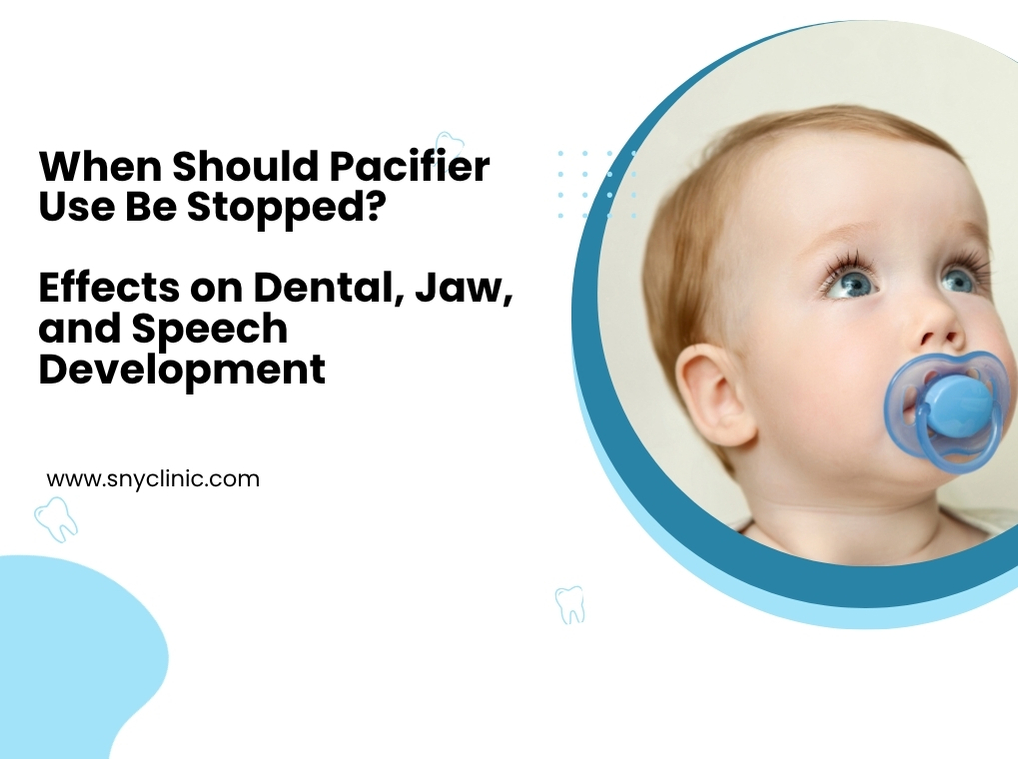
When Should Pacifier Use Be Stopped? Effects on Dental, Jaw, and Speech Development
When Should Pacifier Use Be Stopped? Effects on Dental, Jaw, and Speech Development
In the first months after babies are born, the sucking reflex is essential both for feeding and for comfort. During this period, many parents turn to pacifiers to help soothe their babies. A pacifier can reduce crying fits, ease the transition to sleep, and provide a sense of security during the early months. However, prolonged use may have negative effects on dental health, jaw development, and speech skills. Therefore, it is crucial to be mindful about when to stop pacifier use.
The Importance of Pacifiers in the First Years
Pacifiers satisfy babies’ natural sucking reflex. Especially in the first six months, they help calm babies outside of feeding times. The sucking motion can soothe the nervous system, relieve gas pain, and improve sleep quality. In these ways, pacifiers can be beneficial during the first months.
However, pacifier use should be controlled because prolonged use can directly affect oral and dental development.
When Do Teeth Start to Erupt and Why Does the Pacifier Become Important?
Babies’ first teeth usually erupt between 6 and 12 months. During this period, the mouth and jaw structure rapidly take shape. As the gums become more sensitive, the shape and duration of pacifier use gain importance. Keeping a pacifier in the mouth for long periods may cause the upper front teeth to move forward, push the lower teeth backward, and lead to bite misalignments.
Experts emphasize that pacifier use should be limited during this teething phase. Hard or long-term pacifier use can alter jawbone development and cause orthodontic problems later in life.
Relationship Between Pacifiers and Dental Health
Prolonged pacifier use affects not only the position of the teeth but also overall oral health. Constant pacifier use can disrupt the bacterial balance in the mouth. This issue becomes worse if the pacifier is dipped in sugar or sweet substances, which can lead to tooth decay.
Microorganisms accumulating on the pacifier surface can damage the enamel. Improper cleaning methods (such as putting the pacifier in a parent’s mouth to clean it) can also transfer bacteria to the baby, leading to early tooth decay and gum inflammation.
Dentists recommend limiting pacifier use to specific situations like helping the baby fall asleep once teeth begin to erupt. Avoiding pacifier use outside of sleep times helps teeth align naturally.
Effects on Jaw and Facial Development
Pacifiers influence how the oral muscles work. Prolonged use can cause narrowing of the upper palate, forward protrusion of upper teeth, and retraction of the lower jaw. Such deformities may result in orthodontic issues as the child grows.
Long-term pacifier use can also affect the swallowing reflex and tongue position, which can negatively impact jaw development and speech abilities.
Pacifier Use and Speech Development
Babies typically begin preparing for speech around one year of age. During this time, the tongue, lips, and jaw work together to form sounds. Continuous pacifier use restricts the free movement of these muscles.
For this reason, experts recommend ending pacifier use around age two. Extended use may cause mispronunciation of certain sounds or delayed speech. Moreover, a constantly occupied mouth may discourage communication attempts, as the child has fewer opportunities to speak.
Limiting and Stopping Pacifier Use
The process of weaning from a pacifier varies from child to child. Some give it up easily, while others may require more patience. The key is for parents to remain consistent and calm throughout the process.
Here are a few tips to make the transition easier:
- Gradual reduction: Start by limiting daytime use, then allow it only during sleep.
- Offer comforting alternatives: A favorite stuffed toy, lullaby, or cuddling can replace the need for a pacifier.
- Use positive reinforcement: Praise and reward your child when they manage without a pacifier.
- Be honest and reassuring: Explain that they are growing up and no longer need it.
Patience is essential during this process. Forcing or punishing the child can lead to stress and prolong the adjustment period.
The Importance of Dental Check-Ups
Regular dental visits are crucial during periods of pacifier use. A dentist can detect early signs of misalignment or jaw development issues and provide guidance.
The first dental check-up is usually recommended around 12 months of age, after the first tooth emerges. This visit is important not only for detecting cavities or structural issues but also for educating parents about proper hygiene and nutrition practices.
Choosing the Right Pacifier
If your baby still uses a pacifier, selecting the right one is also vital.
- Orthodontic design: Supports proper dental and jaw development.
- BPA-free materials: Choose safe, non-toxic options.
- Correct size: Use pacifiers suitable for your baby’s age.
- Hygiene: Regularly boil or sterilize the pacifier.
Say Goodbye on Time for Healthy Growth
A pacifier is a temporary aid during infancy, not a long-term habit. As teeth begin to appear between 6 and 12 months, pacifier use should be reconsidered and completely discontinued by age two.
This approach helps preserve dental and jaw health and supports speech development. Although the transition may require patience, it’s an important step toward ensuring your child’s oral health and confident communication in the future.
Remember, every child is different, but the common goal is to help them smile healthily and express themselves freely.