


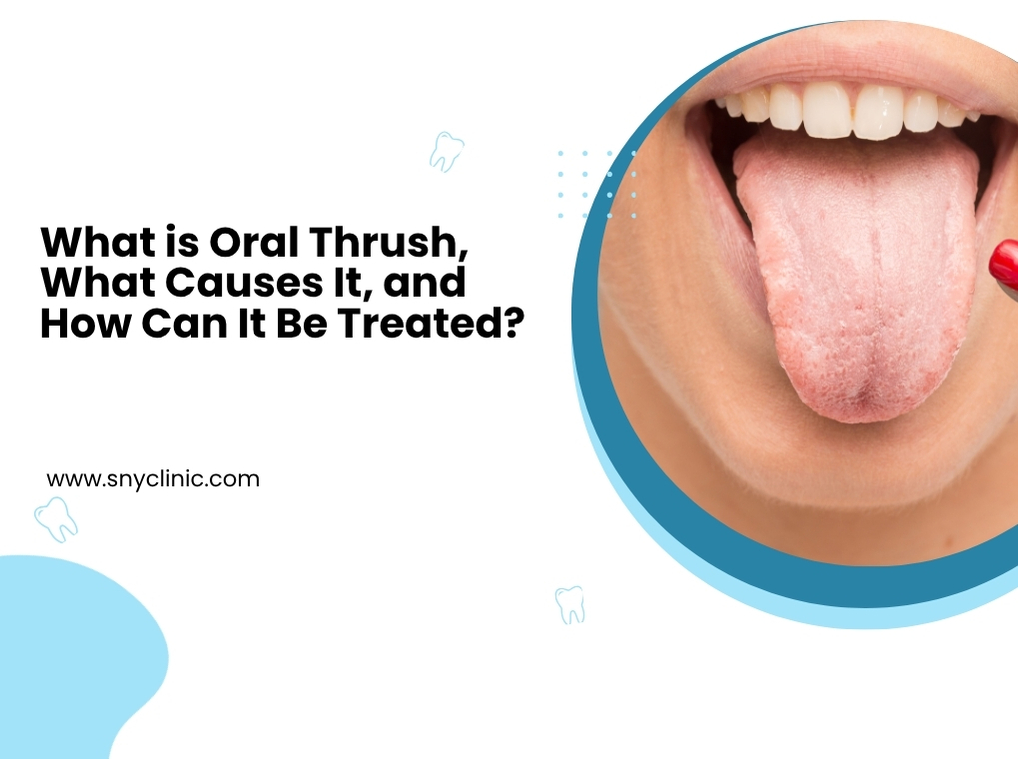
What is Oral Thrush, What Causes It, and How Can It Be Treated?
What is Oral Thrush, What Causes It, and How Can It Be Treated?
What is Oral Thrush?
Oral thrush, medically known as oral candidiasis, is a fungal infection that develops inside the mouth. It is usually caused by the excessive growth of the fungus Candida albicans. It appears as white, creamy patches on the surface of the oral tissues and is most commonly seen in babies, the elderly, and individuals with weakened immune systems. Although it may seem like a minor infection, if left untreated, it can cause pain, burning, and difficulty swallowing.
Causes of Oral Thrush
Oral thrush occurs when the naturally existing Candida fungus in the mouth grows uncontrollably. This overgrowth is often triggered by factors that weaken the immune system or disrupt the balance of the oral flora.
Common causes include:
- Weakened immune system (due to illness, stress, or medication)
- Antibiotic use (reducing beneficial bacteria)
- Dry mouth (decreased saliva production)
- Diabetes (high blood sugar levels)
- Poor denture hygiene
- Smoking
- Long-term use of corticosteroids or inhalers
- Poor hygiene of baby bottles or pacifiers
Symptoms of Oral Thrush
Symptoms of oral thrush can vary depending on the individual but commonly include:
- White, creamy plaques on the tongue, palate, inner cheeks, or throat
- Burning or pain in the mouth
- Taste disturbances
- Dry mouth and unpleasant taste
- Cracks at the corners of the lips (angular cheilitis)
- Difficulty swallowing, especially if the infection spreads to the throat
In infants, oral thrush may cause feeding difficulties and irritability.
Diagnosis of Oral Thrush
Oral thrush is usually diagnosed easily by a dentist or doctor through a visual examination of the mouth. In some cases, a fungal culture or microscopic test may be performed to confirm the type of infection. If oral thrush recurs frequently, the patient’s immune system and blood sugar levels should be evaluated.
Treatment of Oral Thrush
Treatment of oral thrush is typically simple, but the underlying cause must be addressed as well.
1. Antifungal Medications: Mild cases are treated with antifungal mouth rinses, sprays, or gels containing nystatin or miconazole. For severe cases, systemic antifungal medications such as fluconazole or ketoconazole may be prescribed.
2. Improving Oral Hygiene: Brushing teeth and cleaning the tongue at least twice daily is essential. Toothbrushes should be replaced frequently, and dentures should be removed at night and cleaned with an antiseptic solution.
3. Dietary Adjustments: Reducing sugary, yeasty, and high-carbohydrate foods helps prevent fungal overgrowth. A balanced, sugar-free diet is recommended.
4. Strengthening the Immune System: Adequate sleep, balanced nutrition, and vitamin support play a key role in recovery.
Home Remedies and Prevention
In addition to medical treatment, some natural methods may help support healing:
- Gargling with salt water reduces bacteria in the mouth.
- Baking soda rinses help balance oral pH and prevent fungal growth.
- Consuming yogurt and probiotics supports a healthy oral microbiome.
Note: Home remedies are supportive only. Proper diagnosis and treatment should always be supervised by a healthcare professional.
How to Prevent Oral Thrush
To prevent oral thrush, adopting the following habits is essential:
- Maintain good oral hygiene.
- Replace toothbrushes regularly.
- Use antibiotics only under medical supervision.
- Clean dentures daily and remove them at night.
- Avoid smoking and alcohol consumption.
- Regularly monitor and manage diabetes.
Early Treatment Leads to Quick Recovery
Oral thrush usually heals quickly with proper treatment. However, recurrent infections may indicate an underlying immune-related issue. It is important to seek medical or dental attention promptly when symptoms appear. With early diagnosis and consistent oral care, maintaining a healthy mouth flora is achievable.