


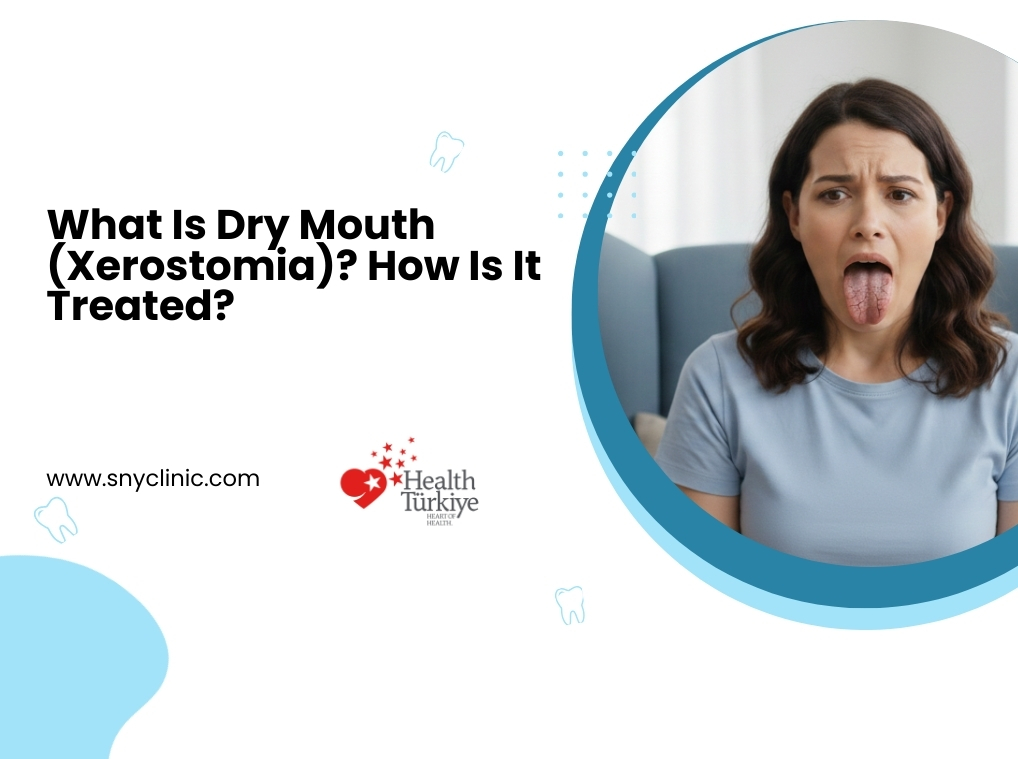
What Is Dry Mouth (Xerostomia)? How Is It Treated?
What Is Dry Mouth (Xerostomia)? How Is It Treated?
Oral health is an integral part of overall health. One condition that directly affects quality of life is dry mouth, medically known as xerostomia. Xerostomia occurs when the salivary glands fail to produce enough saliva. Although it may seem like a minor complaint, untreated dry mouth can lead to serious oral and dental health problems.
In this article, we comprehensively discuss dry mouth, including its causes, symptoms, diagnostic methods, treatment options, and preventive measures.
What Is Dry Mouth (Xerostomia)?
Dry mouth is a condition caused by reduced or completely stopped saliva production. Saliva plays a crucial role in moisturizing the mouth, initiating digestion, protecting teeth from decay, and defending oral tissues against infections.
A healthy individual produces approximately 1–1.5 liters of saliva per day. When this amount decreases, dryness, stickiness, and discomfort occur in the mouth. Xerostomia may be temporary or chronic, depending on the underlying cause.
What Are the Symptoms of Dry Mouth?
Dry mouth is not limited to a simple feeling of thirst. Common symptoms include:
- Persistent dryness and sticky sensation in the mouth
- Cracked and dry lips
- Burning or stinging sensation on the tongue
- Bad breath (halitosis)
- Difficulty chewing and swallowing
- Trouble speaking
- Decreased sense of taste
- Dentures not fitting properly
- Increased risk of dental cavities and gum disease
These symptoms are often more noticeable in the morning after waking up.
What Causes Dry Mouth?
Dry mouth can occur due to various factors. The most common causes include:
1. Salivary Gland Dysfunction
Infections, trauma, or surgical procedures affecting the salivary glands can impair their function.
2. Systemic Diseases
- Diabetes
- Sjögren’s syndrome
- Rheumatoid arthritis
- Neurological disorders such as Parkinson’s and Alzheimer’s disease
3. Aging
Salivary gland function may decrease with age. In addition, older individuals often use multiple medications, increasing the risk of xerostomia.
4. Dehydration
Insufficient fluid intake, vomiting, diarrhea, and fever can disrupt the body’s water balance and lead to dry mouth.
Medications That May Cause Dry Mouth
Many prescription and over-the-counter medications can cause dry mouth. The most common drug groups include:
- Antidepressants and anti-anxiety medications
- Antihistamines (allergy medications)
- Blood pressure medications (especially diuretics)
- Medications for Parkinson’s disease and epilepsy
- Painkillers and muscle relaxants
These drugs may suppress salivary gland activity, resulting in xerostomia.
How Is Dry Mouth Diagnosed?
Dry mouth is diagnosed through a detailed evaluation by a dentist or physician. The diagnostic process may include:
- Reviewing the patient’s symptoms and medication history
- Performing an oral examination
- Measuring salivary flow rate
- Ordering blood tests or imaging studies when necessary
If a systemic disease is suspected, the patient may be referred to the appropriate medical specialist.
What Helps Relieve Dry Mouth?
Several daily practices can help reduce dry mouth symptoms:
- Drinking water frequently throughout the day
- Chewing sugar-free gum or using sugar-free lozenges
- Avoiding caffeine and alcohol
- Not smoking
- Using a humidifier, especially at night
- Limiting sugary and acidic foods
While these measures can relieve symptoms, identifying and treating the underlying cause is essential for long-term relief.
How Is Dry Mouth Treated?
Treatment of dry mouth depends on its underlying cause:
1. Cause-Based Treatment
- Adjusting or changing medications if they are the cause
- Managing underlying systemic diseases
2. Symptomatic Treatment
- Artificial saliva sprays and gels
- Saliva-stimulating medications (under medical supervision)
3. Oral and Dental Care
- Regular dental check-ups
- Fluoride-containing toothpastes and mouth rinses
- Preventive treatments against tooth decay
What Other Problems Can Dry Mouth Cause?
If left untreated, dry mouth may lead to:
- Rapid development of dental cavities
- Gum diseases
- Oral fungal infections
- Persistent bad breath
- Nutritional problems
- Speech and swallowing difficulties
For this reason, xerostomia should not be considered merely a comfort issue.
Tips to Prevent Dry Mouth
- Drink at least 2–2.5 liters of water daily
- Maintain excellent oral hygiene
- Do not skip regular dental check-ups
- Avoid habits that worsen dry mouth
- Inform your doctor about all medications you are using
Why Is Dry Mouth Worse at Night?
Saliva production naturally decreases at night. In addition, factors such as:
- Breathing through the mouth
- Snoring
- Dry indoor air
- Increased nighttime effects of certain medications
can make dry mouth more pronounced during sleep. This is why many people experience severe dryness upon waking.
Dry mouth (xerostomia) is a significant condition that can negatively affect quality of life and lead to serious oral health problems if left untreated. With early diagnosis, appropriate treatment, and regular dental care, dry mouth can be effectively managed. If you experience persistent dry mouth symptoms, consulting a dentist or healthcare professional is strongly recommended.
The images used in this content do not belong to a real patient. The visuals are stock photos obtained from online content provider image platforms.
Publication Date: 13.1.2026
Editor: Uğur Aktaş
Contact Number: +90 545 450 71 41
Contact Email: info@snyclinic.co