


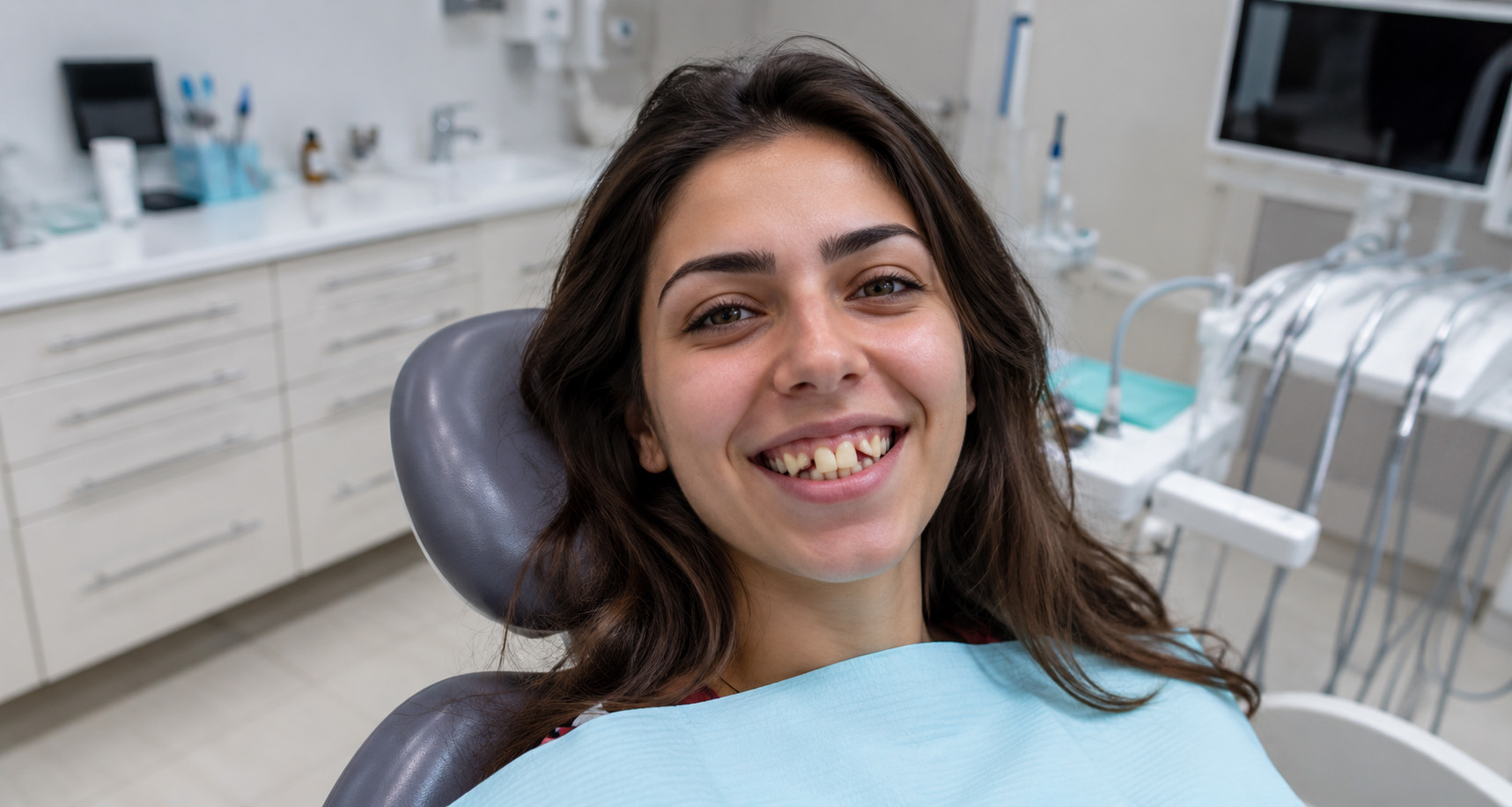
What Causes Crooked Teeth? How Are They Treated?
What Causes Crooked Teeth? How Are They Treated?
Crooked teeth are one of the most common dental problems affecting both aesthetics and oral health. Today, dental crowding can be seen in children, teenagers, and adults, causing issues ranging from speech disorders to chewing difficulties. As the demand for aesthetic smiles increases, treatments for crooked teeth have also become increasingly popular.
Improper alignment of teeth is important not only for appearance but also for gum health and jaw structure. Untreated crooked teeth may eventually lead to cavities, gum diseases, and jaw joint disorders. For this reason, understanding the causes of crooked teeth and evaluating the right treatment options is extremely important.
What Are Crooked Teeth?
Crooked teeth refer to teeth that are not aligned properly within the mouth. Overlapping teeth, rotated teeth, gaps between teeth, or teeth growing in the wrong direction are all considered forms of crookedness.
Some individuals may have only mild crowding in a few teeth, while others may experience severe jaw and bite disorders. This condition can negatively affect both appearance and oral functions.
What Causes Crooked Teeth?
There are many different causes of crooked teeth. Factors ranging from genetics to childhood habits can influence tooth alignment.
Genetic Factors
One of the most common causes of crooked teeth is genetics. If parents have narrow jaws, large teeth, or orthodontic problems, similar conditions may also occur in their children.
In some individuals, the jaw may be small while the teeth are large. In such cases, teeth cannot find enough space and begin to erupt crookedly.
Early Loss of Baby Teeth
Losing baby teeth too early during childhood may cause permanent teeth to erupt incorrectly. Baby teeth act as guides for the permanent teeth developing underneath.
When baby teeth are lost prematurely, the surrounding teeth may shift into the empty space, preventing permanent teeth from erupting properly.
Thumb Sucking Habit
Long-term thumb sucking can negatively affect jaw and tooth development, especially in children. Constant pressure may create gaps between front teeth and lead to alignment problems.
Prolonged Pacifier Use
Using a pacifier for an extended period during infancy may also cause crooked teeth. Especially after the age of 3, pacifier use can affect jaw development.
Mouth Breathing
Individuals who develop a habit of mouth breathing due to nasal obstruction or enlarged adenoids may experience negative effects on jaw structure. This can result in upper jaw narrowing and dental crowding.
Impacted Teeth
Some teeth may remain impacted instead of erupting correctly. Wisdom teeth, in particular, can put pressure on neighboring teeth and contribute to crowding.
Jaw Structure Disorders
Improper development of the upper and lower jaws can also lead to crooked teeth. Conditions such as jaw retrusion, protrusion, or narrowness can affect tooth alignment.
Symptoms of Crooked Teeth
For some individuals, crooked teeth only create aesthetic concerns, while for others they may cause serious functional problems.
Common symptoms include:
- Overlapping teeth
- Difficulty chewing
- Speech problems
- Difficulty cleaning teeth
- Frequent cavities
- Gum bleeding
- Jaw pain
- Bite problems
- Loss of smile aesthetics
Problems Caused by Crooked Teeth
Untreated crooked teeth can lead to more serious complications over time.
Tooth Decay
Crowded teeth are more difficult to clean, allowing bacteria to accumulate more easily. This increases the risk of cavities.
Gum Diseases
Irregular tooth alignment can make flossing difficult. Poor oral hygiene may result in gum inflammation and disease.
Jaw Joint Problems
Bite disorders may place excessive pressure on the jaw joint. This can cause jaw pain, clicking sounds, and headaches.
Aesthetic Concerns
Crooked teeth can negatively affect self-confidence. Feeling uncomfortable while smiling may also impact social life.
How Is Crooked Teeth Treatment Performed?
Thanks to advancements in dentistry, crooked teeth can now be treated very successfully. The treatment method depends on the patient’s age, dental structure, and severity of crowding.
What Is Orthodontic Treatment?
Orthodontic treatment aims to correct the alignment of teeth and jaws. It is one of the most common methods used to treat crooked teeth.
During treatment, controlled force is applied to move teeth into their ideal positions.
Metal Braces
Metal braces are among the most commonly used orthodontic treatment methods. Their durable structure allows effective results, especially in severe crowding cases.
Clear Aligner Treatment
Clear aligners have become extremely popular in recent years. Since they provide a more aesthetic appearance, they are frequently preferred by adults.
Custom-made transparent trays are replaced periodically to gradually move the teeth.
Advantages of clear aligners include:
- More aesthetic appearance
- Removable structure
- Easier cleaning
- More comfortable use
Ceramic Braces
Ceramic braces are tooth-colored, making them less noticeable than metal braces.
They are often preferred by individuals with aesthetic concerns.
Jaw Expansion Treatments
Some patients may have a narrow upper jaw. In such cases, jaw expansion appliances may be used.
These treatments are often more effective when applied during childhood.
Surgical Orthodontic Treatment
For patients with severe jaw deformities, braces alone may not be sufficient. In such cases, orthognathic surgery may be necessary.
Surgical procedures reposition the jawbones into their ideal alignment.
How Long Does Crooked Teeth Treatment Take?
Treatment duration varies from person to person. Mild crowding may improve within a few months, while severe cases can take up to two years.
Factors affecting treatment duration include:
- Severity of crowding
- Patient’s age
- Treatment method used
- Patient compliance
- Regular check-ups
Is Crooked Teeth Treatment Painful?
Orthodontic treatments are generally not painful. However, mild pressure or discomfort may be felt during the first few days.
This is normal and usually subsides within a short time.
Can Adults Receive Crooked Teeth Treatment?
Yes, adults can also successfully undergo orthodontic treatment. Today, many adults seek treatment for both health and aesthetic reasons.
Clear aligner systems provide highly comfortable solutions for adult patients.
Why Is Early Orthodontic Examination Important for Children?
Early orthodontic evaluations in children can help prevent major problems in the future.
Experts recommend the first orthodontic examination around the age of 7.
Early diagnosis helps:
- Monitor jaw development
- Prevent severe crowding
- Reduce the risk of impacted teeth
- Shorten treatment duration
What Should Be Considered After Treatment?
After treatment, retainers may be used to prevent teeth from shifting again.
Patients should also pay attention to:
- Regular tooth brushing
- Using dental floss
- Attending follow-up appointments
- Avoiding hard foods
- Using retainers properly
Can Crooked Teeth Be Prevented?
Although not every case can be prevented, controlling certain habits may reduce the risk.
Especially during childhood, it is important to:
- Stop thumb sucking habits
- Avoid prolonged pacifier use
- Attend regular dental check-ups
- Protect baby teeth
Crooked teeth are not just an aesthetic issue. They can directly affect oral health, chewing functions, and overall quality of life. Thanks to modern orthodontic treatments, successful results can be achieved at any age.
With early diagnosis and proper treatment planning, it is possible to achieve both a healthy and aesthetic smile. Individuals experiencing crooked teeth problems should consult a dental professional without delay.
The images used in this content do not belong to a real patient. The visuals are stock photos obtained from online content provider image platforms.
Publication Date: 25.05.2026
Editor: Uğur Aktaş
Contact Number: +90 545 450 71 41
Contact Email: info@snyclinic.com