


What Is a Zirconium Dental Crown? Advantages and Treatment Process
What Is a Zirconium Dental Crown? Advantages and Treatment Process
A zirconium dental crown is a modern restorative dental treatment used to improve the appearance of teeth and strengthen damaged tooth structure. Thanks to its natural appearance, durable structure, and metal-free framework, it is frequently preferred for both front and back teeth.
Fractures, cracks, discoloration, wear, and shape irregularities can negatively affect both a person’s smile and chewing function. Zirconium crowns help restore the shape, color, and function of teeth, contributing to a healthier and more aesthetic smile.
However, zirconium crown treatment is not performed in exactly the same way for every patient. The treatment plan should be customized according to the condition of the teeth, the bite relationship, gum health, and the patient’s expectations.
What Is a Zirconium Dental Crown?
A zirconium dental crown is a tooth covering made from zirconium dioxide, a high-strength ceramic material. The crown is placed over a prepared natural tooth, creating a protective structure that surrounds and supports it.
Dental crowns are generally used to cover and protect teeth that are damaged, broken, worn, or significantly weakened by decay. Zirconium is especially preferred in areas exposed to strong chewing forces because it offers high durability compared with many other ceramic materials.
Zirconium crowns can be produced in different forms. Monolithic zirconium crowns are made entirely from zirconium and are known for their strength, while layered zirconium crowns may include porcelain over the zirconium framework to provide enhanced aesthetic properties.
The most suitable type of zirconium crown is selected according to the position of the tooth, the patient’s bite, and aesthetic expectations.
In Which Situations Are Zirconium Crowns Used?
Zirconium crowns may be recommended for both aesthetic and functional reasons. They are commonly used in the following situations:
- Repairing broken or cracked teeth
- Protecting severely worn teeth
- Strengthening teeth weakened by large fillings
- Protecting teeth that have undergone root canal treatment
- Masking severe tooth discoloration
- Correcting tooth shape and size irregularities
- Closing certain spaces between teeth
- Creating fixed restorations over dental implants
- Replacing missing teeth with dental bridges
- Renewing old or unaesthetic crowns
Dental crowns can protect damaged or weakened teeth while also improving their appearance. However, reducing healthy teeth solely for cosmetic whitening is not always the most conservative approach.
Before recommending crowns, the dentist may evaluate alternative treatments such as bonding, orthodontics, teeth whitening, or veneers.
What Are the Advantages of Zirconium Dental Crowns?
Zirconium crowns are widely used in modern cosmetic and restorative dentistry. Their main advantages include the following.
They Provide a Natural-Looking Appearance
Zirconium crowns have a white-colored framework. Unlike metal-supported porcelain crowns, they do not usually create a dark or gray reflection near the gum line.
Modern zirconium materials offer improved translucency and a wide variety of color options. This allows the crown to be matched closely to the patient’s natural tooth color.
They can therefore provide aesthetically pleasing results, especially for teeth located within the visible smile line.
They Are Highly Durable
Although zirconium is a ceramic-based material, it has high mechanical strength. It can withstand strong chewing forces and may be used for back teeth and suitable bridge restorations.
This strength makes zirconium an important option for patients who require both durability and an aesthetic appearance.
However, no crown is completely resistant to fracture. Habits such as chewing ice, biting hard objects, or grinding the teeth may still damage the restoration.
They Are Metal-Free
Traditional porcelain-fused-to-metal crowns contain a dark metal framework beneath the porcelain layer. Zirconium crowns do not contain this type of metal infrastructure.
This makes them an attractive option for patients who do not want metal-supported restorations.
Patients with known material sensitivities should still inform their dentist before treatment.
They Can Be Used on Both Front and Back Teeth
Zirconium crowns can be used in areas where aesthetics are especially important, such as the front teeth, as well as in the back teeth, where chewing forces are stronger.
More translucent zirconium materials may be selected for the front teeth, while stronger monolithic zirconium options may be preferred for the molars.
The final material choice depends on the tooth’s position, the bite relationship, and whether the patient grinds or clenches their teeth.
They Do Not Usually Create a Dark Gum Line
If gum recession occurs around a metal-supported crown, the underlying metal may become visible as a dark line near the gum.
Because zirconium has a white framework, the risk of a dark or gray line appearing at the gum margin is reduced.
However, gum recession is not caused only by the crown material. Poor oral hygiene, gum disease, tartar accumulation, aggressive brushing, and poorly fitted crown margins may also contribute to gum recession.
They Can Be Produced Using Digital Technology
Zirconium crowns can be designed and produced using computer-assisted systems and digital impressions taken with an intraoral scanner.
Digital technology allows the dentist and dental laboratory to plan the crown’s shape, size, contact points, and bite relationship in detail.
Some clinics may produce crowns on the same day using in-office digital systems. However, traditional zirconium crown treatment usually requires more than one appointment.
How Is Zirconium Crown Treatment Performed?
Zirconium crown treatment begins with a detailed dental examination and personalized planning. The main stages of the procedure are explained below.
1. Dental Examination
During the first appointment, the dentist evaluates the teeth, gums, and bite relationship. Panoramic or localized dental X-rays may also be taken when necessary.
The dentist checks whether the tooth has decay, fractures, infection, old fillings, or a need for root canal treatment.
If gum disease is present, periodontal treatment may need to be completed before crown preparation.
2. Treatment Planning
The patient’s expectations, facial structure, lip line, smile line, tooth color, and tooth proportions are evaluated.
When several front teeth are being treated, digital smile design or temporary mock-up techniques may be used. These methods allow the approximate shape and appearance of the new smile to be evaluated before the final crowns are completed.
3. Local Anesthesia
Local anesthesia is applied to the treatment area to ensure patient comfort.
As a result, tooth preparation is generally completed without pain.
4. Tooth Preparation
A small amount of natural tooth structure is removed so that the zirconium crown can fit properly over the tooth.
The amount of reduction depends on the condition of the tooth, the thickness of the crown, and the type of zirconium material used.
If the tooth has significant structural loss, a filling or core build-up may be required before the crown is placed.
Teeth that have undergone root canal treatment may also require additional support depending on the remaining tooth structure.
5. Impression or Digital Scan
After the tooth is prepared, an impression is taken using traditional impression materials or a digital intraoral scanner.
The records are sent to a dental laboratory, where the zirconium crown is designed specifically for the patient.
The crown color is also selected to match the surrounding natural teeth.
6. Temporary Crown Placement
A temporary crown is placed over the prepared tooth while the permanent zirconium crown is being produced.
Temporary crowns help protect the prepared tooth, reduce sensitivity, and maintain appearance.
During this period, patients should avoid very hard or sticky foods that could loosen or damage the temporary crown.
7. Zirconium Crown Try-In
When the zirconium crown is ready, it is tried in the patient’s mouth.
The dentist evaluates:
- Gum compatibility
- Crown color and shape
- Contact with neighboring teeth
- Bite relationship with the opposite teeth
- Effects on chewing and speech
If necessary, adjustments are made before the crown is permanently placed.
8. Permanent Cementation
Once all checks and adjustments are completed, the zirconium crown is permanently bonded to the tooth using dental cement.
Traditional crown treatment usually requires at least two appointments. During the first visit, the tooth is prepared, an impression is taken, and a temporary crown is placed. During the following visit, the permanent crown is fitted and cemented.
The total treatment time may vary depending on the number of teeth, laboratory procedures, and whether additional dental treatment is required.
How Long Does Zirconium Crown Treatment Take?
The duration of zirconium crown treatment depends on the number of teeth being treated, the health of the teeth and gums, laboratory working time, and the need for additional procedures.
Treatment for one or a few teeth may usually be completed within several appointments.
If the patient requires root canal treatment, gum treatment, dental implants, or extensive aesthetic planning, the overall process may take longer.
Some clinics with digital production systems may offer same-day crowns in suitable cases. However, not every patient or restoration is appropriate for same-day treatment.
Is Zirconium Crown Treatment Painful?
Tooth preparation is performed under local anesthesia, so patients generally do not feel pain during the procedure.
After the anesthesia wears off, temporary sensitivity or mild gum discomfort may occur. These symptoms usually decrease within a short period.
Patients should contact their dentist if they experience persistent pain, throbbing, swelling, difficulty biting, or the feeling that the crown is too high.
Are There Any Disadvantages of Zirconium Crowns?
Although zirconium crowns offer many advantages, they also have certain limitations.
Natural Tooth Structure Must Be Removed
To place a full crown, part of the natural tooth structure must be reduced. This is an irreversible procedure.
For this reason, more conservative treatments such as bonding, orthodontics, teeth whitening, or veneers may be considered for healthy teeth with minor aesthetic problems.
The Risk of Fracture Is Not Completely Eliminated
Zirconium is highly durable, but it is not unbreakable.
Chewing hard foods, biting ice, using the teeth to open packages, and untreated teeth grinding may damage the crown.
The Color Cannot Be Changed After Placement
The color of a zirconium crown is determined during the production stage.
After it has been permanently bonded, it cannot be whitened in the same way as natural teeth.
If the patient is considering teeth whitening, it should usually be completed before the final crown color is selected.
The Tooth Under the Crown Can Still Decay
The zirconium crown itself does not decay. However, the natural tooth underneath it may still develop decay, especially around the crown margins.
Regular brushing, interdental cleaning, and routine dental check-ups are essential for preventing this problem.
What Should You Pay Attention to After Zirconium Crown Treatment?
Proper oral care is necessary to ensure that zirconium crowns remain healthy and functional for as long as possible.
- Brush your teeth at least twice a day.
- Clean between the crowns with dental floss or an interdental brush.
- Avoid using your teeth to break hard foods or objects.
- Do not chew ice.
- Use a night guard if you clench or grind your teeth.
- Attend regular dental check-ups and professional cleanings.
- Contact your dentist if the crown feels loose, cracked, or uncomfortable.
The long-term success of a zirconium crown depends not only on the crown itself but also on the health of the natural tooth and surrounding gums.
How Long Do Zirconium Crowns Last?
The lifespan of zirconium crowns varies from patient to patient.
The quality of treatment planning, the dental laboratory, bite forces, oral hygiene, gum health, and teeth-grinding habits all affect how long a crown lasts.
With proper care and regular dental check-ups, dental crowns may remain functional for many years.
However, zirconium crowns should not be considered permanent restorations that will never require replacement.
Over time, the bonding material may weaken, gum recession may occur, decay may develop underneath the crown, or the restoration may become damaged. In such situations, the crown may need to be replaced.
Zirconium Crowns or Porcelain Crowns?
Zirconium is also a ceramic-based material. In general use, the term porcelain crown may refer to porcelain-fused-to-metal crowns or other all-ceramic restorations.
Metal-supported porcelain crowns are durable, but their metal framework may reduce light transmission and create a less natural appearance.
Zirconium crowns have a white framework and may therefore provide a more natural-looking result.
However, there is no single material that is ideal for every tooth.
Highly aesthetic glass ceramics may be preferred for certain front teeth, while stronger zirconium materials may be more suitable for back teeth.
The most appropriate restoration should be selected after a detailed clinical examination.
Zirconium Crowns or E-Max Crowns?
E-Max restorations are made from lithium disilicate ceramic and are commonly preferred for front teeth because of their translucency and natural appearance.
Zirconium may offer an advantage in areas where greater durability is required.
However, new-generation high-translucency zirconium materials can also provide successful aesthetic results in the front teeth.
The choice should be based on the position of the tooth, the amount of remaining tooth structure, bite forces, teeth-grinding habits, and the length of the restoration.
Who May Not Be Suitable for Zirconium Crowns?
The decision to use zirconium crowns should be made after a dental examination.
Treatment may need to be postponed or a different option may be recommended in the following situations:
- Active and untreated gum disease
- Severe bone loss and loose teeth
- Untreated decay or infection
- Poor oral hygiene
- Uncontrolled teeth grinding or clenching
- Patients whose tooth development is not complete
- Insufficient tooth structure to support the crown
In some cases, zirconium crowns may still be placed after the underlying dental problems have been treated.
What Determines the Cost of Zirconium Crowns?
The cost of zirconium crown treatment may vary depending on several factors:
- Number of teeth being treated
- Type and quality of zirconium material
- Dental laboratory and production method
- Use of digital smile design
- Need for gum treatment
- Requirement for root canal treatment or fillings
- Temporary crown procedures
- Whether the restoration is a single crown, bridge, or implant-supported crown
- The clinic’s treatment plan
An exact price can only be determined after a clinical examination and radiographic evaluation.
Frequently Asked Questions About Zirconium Dental Crowns
Do zirconium crowns turn yellow?
The main zirconium material does not discolor in the same way as natural teeth. However, surface stains may develop because of tea, coffee, smoking, and strongly colored foods.
Regular oral care and professional dental cleaning can help remove or reduce these stains.
Do zirconium crowns look natural?
Yes. With proper color selection, correct tooth proportions, and high-quality laboratory work, zirconium crowns can look very similar to natural teeth.
The final result depends on both the material and the quality of treatment planning.
Can zirconium crowns fall out?
Zirconium crowns are bonded with strong dental cement. However, weakened cement, decay underneath the crown, trauma, or excessive force may cause the crown to loosen or come off.
A crown that has fallen out should not be glued back at home. It should be taken to a dentist as soon as possible.
Can the tooth under a zirconium crown decay?
Yes. The crown itself does not decay, but the natural tooth underneath it can still develop cavities.
The risk is higher when plaque accumulates around the crown margins.
Can dental floss be used around zirconium crowns?
Dental floss can be used around individual zirconium crowns.
For connected bridge restorations, special bridge floss, interdental brushes, or oral irrigators may be recommended.
Can zirconium crowns be removed?
When necessary, zirconium crowns can be removed by a dentist using special instruments or by carefully cutting the restoration.
However, the removed crown may not always be reusable.
Do zirconium crowns cause bad breath?
A properly fitted and regularly cleaned zirconium crown does not normally cause bad breath.
Bad breath may occur because of plaque accumulation, gum disease, decay under the crown, or an improperly fitted restoration.
Can zirconium crowns be whitened?
No. Teeth-whitening products do not change the color of zirconium crowns.
For this reason, whitening treatment should be completed before the final crown color is selected.
Zirconium dental crowns are durable and aesthetic restorations used to repair damaged, worn, discolored, or misshapen teeth.
Their white, metal-free framework, natural-looking appearance, and ability to withstand chewing forces are among their most important advantages.
However, crown treatment may require irreversible preparation of the natural tooth. Therefore, it should be planned by considering both aesthetic expectations and the long-term health of the teeth.
Whether zirconium crowns are suitable for you can only be determined after a detailed evaluation of your teeth, gums, and bite.
For healthy, natural-looking, and long-lasting results, treatment should be planned individually, and regular dental check-ups should not be neglected.
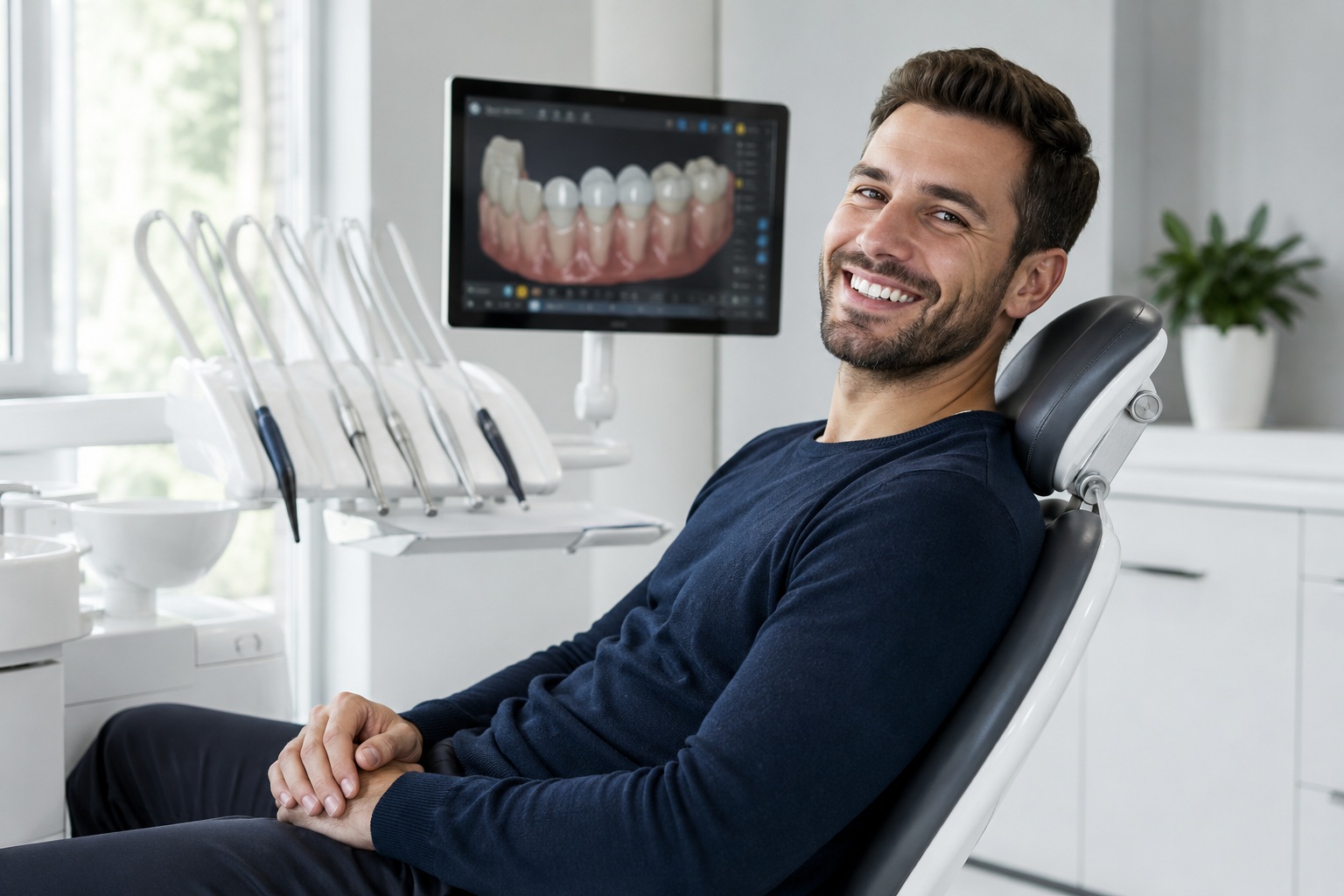
The images used in this content do not belong to a real patient. The visuals are stock photos obtained from online content provider image platforms.
Publication Date: 17.07.2026
Editor: Uğur Aktaş
Contact Number: +90 545 450 71 41
Contact Email: info@snyclinic.com