


What is a Dental Crown? How is a Dental Crown Made? Comprehensive Guide (2026)
What is a Dental Crown? How is a Dental Crown Made? Comprehensive Guide (2026)
A dental crown (often referred to as dental capping or cladding) is one of the most successful restorative treatments applied to improve aesthetic appearance and protect damaged teeth. It delivers highly effective results, both functionally and aesthetically, for teeth that are broken, cracked, severely decayed, discolored, or misshapen. Today, thanks to advancing digital dentistry, dental crowns can be fabricated to look incredibly close to your natural teeth.
In this comprehensive guide, you will find everything you need to know about what dental crowns are, how they are made, the different types available, the treatment process, their advantages and disadvantages, and answers to frequently asked questions.
What is a Dental Crown?
A dental crown is a custom-made restoration placed over a tooth that has been damaged or requires aesthetic improvement.
The crown completely encases the visible portion of the tooth, providing both protection and a highly aesthetic appearance. Following the procedure, the tooth becomes significantly stronger, chewing function is restored, and the tooth gains a natural, long-lasting look.
In modern dentistry, crowns can be fabricated from a variety of advanced materials, including:
- Zirconium
- Porcelain (All-Ceramic)
- E-Max
- Metal-Fused-to-Porcelain (PFM)
Why is a Dental Crown Made?
Dental crowns are not used solely for aesthetic purposes; they are also preferred for solving numerous functional dental issues.
The most common reasons for getting a dental crown include:
- Broken teeth
- Cracked teeth
- Teeth with large fillings
- Teeth that have undergone root canal therapy
- Misshapen or misaligned teeth
- Severe, irreversible tooth discoloration
- Excessive tooth wear (attrition/abrasion)
- Smile makeover / Aesthetic enhancement
- Proportional discrepancies between teeth
Particularly for teeth in the back of the mouth that endure heavy chewing pressure, a dental crown can significantly extend the lifespan of the tooth.
Who is a Dental Crown Suitable For?
Dental crowns can be safely applied to a wide range of patients. Ideal candidates include:
- Individuals with broken or fractured teeth.
- Patients with severely stained or discolored teeth that do not respond to whitening.
- People with teeth weakened by large fillings.
- Patients who have recently had a root canal.
- Individuals seeking a more aesthetic smile.
- People experiencing difficulties with chewing function.
- Patients with severe loss of natural tooth structure.
Note: For patients with active, advanced gum disease, periodontal treatment must be completed before proceeding with dental crowns.
Types of Dental Crowns
Since every patient is unique, the same type of crown is not applied to everyone. The choice of material depends on the location of the tooth, aesthetic expectations, and budget.
Zirconium Dental Crowns
Zirconium crowns are one of the most popular choices in modern dentistry.
- Advantages: Exceptionally natural appearance, high durability, excellent light transmittance, superior gum compatibility, metal-free structure, and suitable for both front and back teeth.
- It is highly recommended for patients with high aesthetic expectations.
All-Porcelain Dental Crowns
Full-porcelain crowns are highly successful, particularly for front teeth where aesthetics are paramount.
- Advantages: Natural translucency, long-term color stability, beautiful aesthetic appeal, and excellent resistance to staining.
- They are heavily favored in smile design (smile makeover) applications.
E-Max Crowns
Made from lithium disilicate glass-ceramic, E-Max crowns offer the absolute pinnacle of dental aesthetics.
- Key Features: Most natural appearance, can be crafted extremely thin, superior light transmission, and flawless results for front teeth.
Metal-Fused-to-Porcelain (PFM) Crowns
This is the traditional, time-tested crown option that has been used successfully for decades.
- Advantages: Extremely durable, cost-effective, and highly successful for rear molars.
- Drawback: Due to the metal framework underneath, they may not look quite as naturally translucent or aesthetic as zirconium or E-Max.
How is a Dental Crown Made?
The dental crown procedure is carried out in several well-defined stages:
1. Examination and Planning
First, the dentist performs a comprehensive oral examination, evaluates dental X-rays, checks gum health, and creates a customized treatment plan. The patient’s aesthetic expectations are thoroughly discussed during this stage.
2. Tooth Preparation
The teeth to be crowned are carefully and minimally reshaped (shaved down). This controlled reduction ensures that the crown will fit perfectly over the tooth. Modern dentistry prioritizes preserving as much natural tooth structure as possible.
3. Taking Impressions
A precise impression of the prepared teeth is taken, either digitally using an intraoral scanner or with traditional molding materials. These impressions are sent to the dental laboratory for custom fabrication.
4. Temporary Crowns
While the permanent crowns are being fabricated, temporary crowns are placed. This protects the prepared teeth, prevents sensitivity, and maintains a normal aesthetic appearance.
5. Fitting the Permanent Crown
Once ready, the custom crown is tried in the mouth. After verifying the color, fit, bite alignment, and overall comfort, it is permanently bonded to the tooth using specialized dental cement.
How Many Sessions Does It Take?
The treatment is typically completed in 2 sessions. The fabrication of permanent crowns generally takes about 5 to 10 days. However, in clinics equipped with in-house digital CAD/CAM technologies, some patients can receive their crowns on the same day.
Is the Procedure Painful?
No. Because the procedure is performed under local anesthesia, you will not feel any pain during the treatment. After the anesthesia wears off, you may experience mild hot/cold sensitivity for a few days, which typically resolves on its own.
Advantages of Dental Crowns
- Provides a highly natural, beautiful appearance.
- Strengthens weakened or compromised teeth.
- Restores and repairs structural fractures.
- Improves and restores proper chewing function.
- Creates a harmonious, aesthetic smile.
- Long-lasting and highly durable.
- Retains its color and resists staining.
- Offers excellent compatibility with surrounding gum tissue.
Disadvantages of Dental Crowns
- Requires a certain amount of natural tooth reduction.
- Mild sensitivity can occur in the first few days following placement.
- Biting on extremely hard objects can chip or damage the crown.
- Inadequate oral hygiene can lead to gum issues around the crown edges.
What to Consider After Getting a Dental Crown?
To maximize the lifespan of your crowns, proper oral care is crucial:
- Brush your teeth at least twice a day.
- Use dental floss or an interdental brush daily.
- Avoid biting or cracking hard-shelled foods (like nuts or hard candy) directly with your crowned teeth.
- If you have a habit of clenching or grinding your teeth (bruxism), use a protective nightguard.
- Do not skip your routine dental check-ups (every 6 months).
- Limit smoking to maintain gum health and crown longevity.
How Long Do Dental Crowns Last?
The lifespan of a dental crown depends on the material used, the patient's oral hygiene habits, and whether they grind their teeth. On average, lifespans are as follows:
|
Crown Type |
Average Lifespan |
|
Zirconium |
15 - 20 Years |
|
E-Max |
15+ Years |
|
All-Porcelain |
10 - 15 Years |
|
Metal-Fused-to-Porcelain |
10 - 15 Years |
With excellent oral hygiene and regular dental checkups, these periods can be extended significantly.
Dental Crown vs. Veneer (Lamina)?
These two popular treatments serve different clinical and aesthetic purposes:
- Porcelain Veneers (Laminas): These are thin shells bonded only to the front surface of the teeth. They require minimal tooth reduction and are primarily used for cosmetic enhancements of the front teeth.
- Dental Crowns: These encase the entire tooth (360∘
 coverage). They are much more durable and are the ideal choice when there is significant tooth damage, structural loss, or heavy chewing forces involved.
Your dentist will determine which treatment is most appropriate for you after a clinical evaluation.
Factors Affecting Dental Crown Prices
The overall cost of dental crown treatment can vary widely based on:
- The material chosen for the crown (e.g., E-Max, Zirconium, or PFM).
- The total number of teeth being treated.
- The use of advanced digital impression and design technologies.
- The quality and craftsmanship of the dental laboratory.
- The need for preparatory treatments (such as gum therapies or root canals).
- The expertise and location of the dental clinic.
An accurate price estimate can only be determined after a detailed, in-person clinical examination.
Frequently Asked Questions
Do dental crowns look natural?
Yes. Particularly zirconium and E-Max crowns have exceptional light-transmitting properties that mimic natural tooth enamel almost perfectly.
Do dental crowns change color over time?
High-quality modern dental ceramics and zirconium do not discolor or stain over time. However, maintaining good oral hygiene is still essential for the surrounding natural teeth and gums.
Can a crowned tooth decay?
The crown itself cannot decay. However, if oral hygiene is neglected, plaque can accumulate at the margin where the crown meets the gumline, leading to decay in the natural tooth structure underneath.
Can a dental crown fall off?
Crowns bonded with high-quality dental cements are extremely secure and designed to last for years. However, severe facial trauma or biting down on exceptionally hard objects can sometimes cause a crown to loosen or dislodge.
Do I need to brush my dental crowns?
Yes, absolutely. Crowned teeth must be brushed, flossed, and cared for just like your natural teeth to keep the supporting gums and underlying bone healthy.
Do dental crowns cause bad breath?
No. High-quality, properly fitted crowns do not cause bad breath. Halitosis (bad breath) is typically caused by poor oral hygiene, untreated decay under the crown, or a loose crown margin where food particles become trapped.
How long does the entire process take?
For most patients, the entire treatment takes between 5 to 10 days from the initial preparation to the final bonding.
Can dental crowns be removed?
Yes. If necessary (for example, to treat a cavity underneath or to upgrade the material), a dentist can safely remove an existing crown using specialized dental instruments and replace it with a new one.
Dental crown treatment is a highly effective, modern dental procedure that restores oral function, strengthens weakened teeth, and beautifully enhances your smile. Thanks to advanced materials like zirconium and E-Max, patients can enjoy durable, functional, and completely natural-looking results.
The long-term success of your crowns relies on precise clinical planning, high-quality material selection, and diligent daily oral care. If you have cracked, worn, heavily stained, or structurally compromised teeth, consult your dentist to discover the best crown option for your smile.
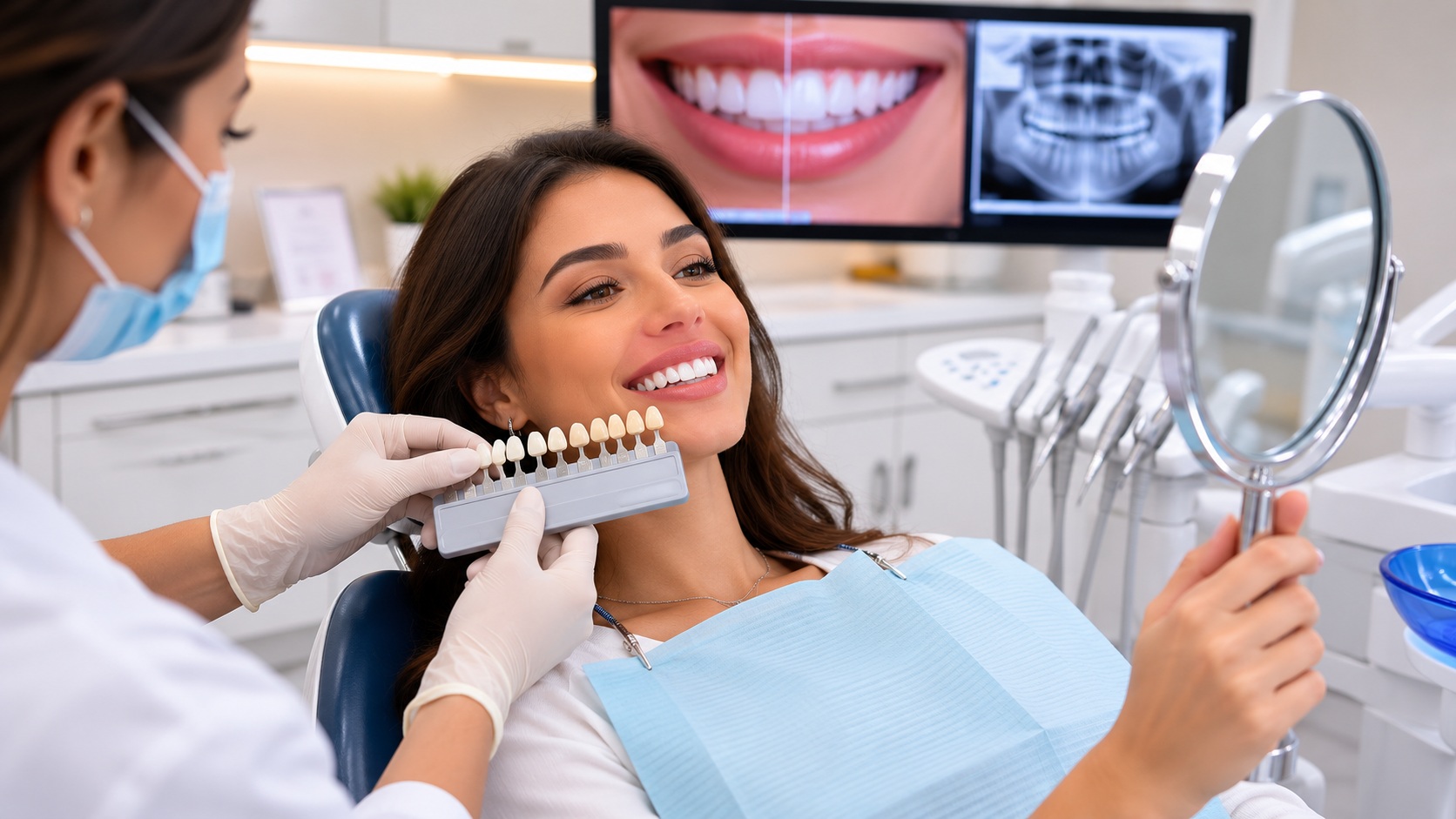
The images used in this content do not belong to a real patient. The visuals are stock photos obtained from online content provider image platforms.
Publication Date: 14.07.2026
Editor: Uğur Aktaş
Contact Number: +90 545 450 71 41
Contact Email: info@snyclinic.com