


What Are Teeth Whitening Methods?
What Are Teeth Whitening Methods?
Aesthetic smile design plays a crucial role in both social life and self-confidence. White and healthy-looking teeth are one of the most important elements of an attractive smile. However, over time, teeth may become discolored or stained due to various factors. This leads many people to seek teeth whitening treatments. So, what are the methods of teeth whitening, how are they applied, and which one is the most effective? Here is a detailed guide.
What Is Teeth Whitening?
Teeth whitening is a cosmetic dental procedure that lightens the natural color of teeth by several shades. It works by removing stains and discoloration from the surface or deeper layers of the teeth using special whitening agents. The most commonly used substances are hydrogen peroxide and carbamide peroxide. These agents penetrate the enamel and break down stain molecules, resulting in a brighter and whiter appearance.
When performed correctly, teeth whitening is a safe procedure that does not damage the teeth. However, improper use of whitening products can harm the enamel.
Why Do Teeth Become Yellow?
Before understanding whitening methods, it is important to know the causes of tooth discoloration. Teeth can become yellow due to multiple factors.
One of the most common reasons is the consumption of certain foods and beverages. Coffee, tea, red wine, and cola can cause staining on the tooth surface. Smoking and tobacco use can lead to more persistent and deeper discoloration.
Poor oral hygiene is another major factor. When teeth are not brushed regularly and floss is not used, plaque and tartar build-up occurs, making teeth appear darker.
Aging also plays a role. As people age, the enamel layer becomes thinner, revealing the naturally yellow dentin underneath. Additionally, certain antibiotics taken during childhood, genetic factors, and trauma can also affect tooth color.
Teeth Whitening Methods
Today, there are several methods available for teeth whitening. These can generally be divided into professional treatments and at-home solutions.
1. In-Office (Professional) Teeth Whitening
In-office whitening is the fastest and most effective method performed by a dentist in a clinical setting. It involves the use of high-concentration whitening gels, often activated by a special light or laser.
Before the procedure, the gums are protected with a barrier. Then, the whitening gel is applied to the teeth and activated with light. The gel penetrates the enamel and breaks down stain molecules. The procedure usually takes 30–60 minutes and can lighten teeth by several shades in a single session.
The main advantage of this method is its immediate results. It is also safe since it is performed under professional supervision. However, it is more expensive than other methods.
2. At-Home Teeth Whitening
At-home whitening involves custom-made trays and lower-concentration whitening gels provided by a dentist. The patient uses these trays at home over a certain period.
First, impressions of the teeth are taken to create personalized trays. The whitening gel is placed inside the trays and worn for a few hours a day or overnight. The treatment usually lasts 1–2 weeks.
The biggest advantage of this method is its affordability and flexibility. However, results take longer compared to in-office whitening, and consistent use is required.
3. Combined Whitening Method
The combined method involves both in-office and at-home whitening treatments. First, a professional whitening session is performed at the clinic, followed by at-home maintenance.
This approach provides the most effective and long-lasting results. The in-office treatment delivers immediate whitening, while the at-home process helps maintain the results over time. It is especially suitable for individuals with severe discoloration.
4. Whitening Toothpastes
Whitening toothpastes are designed for daily use and help remove surface stains through mild abrasives and chemical agents.
They are effective for superficial stains but do not work well on deeper discoloration. Regular use can help maintain a brighter appearance, but they are not as powerful as professional treatments.
Overuse or aggressive brushing with these products may damage the enamel, so they should be used carefully.
5. Natural Whitening Methods
Natural remedies such as baking soda, lemon, or apple cider vinegar are commonly used by some people. However, these methods are generally not recommended by dentists.
Acidic substances can erode the enamel and lead to tooth sensitivity. While they may provide temporary whitening effects, they can harm dental health in the long run.
How Long Does Teeth Whitening Last?
The longevity of teeth whitening results varies from person to person. Typically, the effect lasts between 6 months and 2 years.
Lifestyle habits play a significant role. Smoking and frequent consumption of staining beverages can shorten the duration of the results. Maintaining good oral hygiene and regular dental check-ups can help prolong the whitening effect.
Who Is Suitable for Teeth Whitening?
Teeth whitening is generally suitable for individuals with healthy teeth and gums. However, it may not be appropriate for everyone.
Pregnant or breastfeeding women, individuals with gum disease, and those with severe tooth sensitivity are usually advised against whitening procedures. Additionally, fillings, crowns, and prosthetic teeth do not respond to whitening treatments.
Therefore, a dental examination is essential before undergoing any whitening procedure.
What Should Be Considered After Whitening?
The first 24–48 hours after whitening are critical, as teeth become more sensitive to external factors during this period.
A “white diet” is recommended, which means avoiding foods and drinks that can stain teeth, such as coffee, tea, red wine, and colored foods. Smoking should also be avoided.
Maintaining proper oral hygiene through regular brushing, flossing, and mouthwash use is essential. Regular dental check-ups should not be neglected.
Which Method Is Best?
Among the available methods, in-office and combined whitening treatments are generally the most effective. However, the best option depends on individual needs.
Factors such as the current condition of the teeth, the level of discoloration, and personal expectations should be considered. Consulting a dentist is the best way to determine the most suitable method.
Teeth whitening is an effective solution for achieving a brighter and more aesthetic smile. With various methods available today, it is possible to find a suitable option for every individual.
However, choosing the right method and ensuring it is performed under professional supervision is essential. It is important to remember that maintaining good oral health is more important than having white teeth. With proper care and the right approach, it is possible to achieve both healthy and radiant smiles.
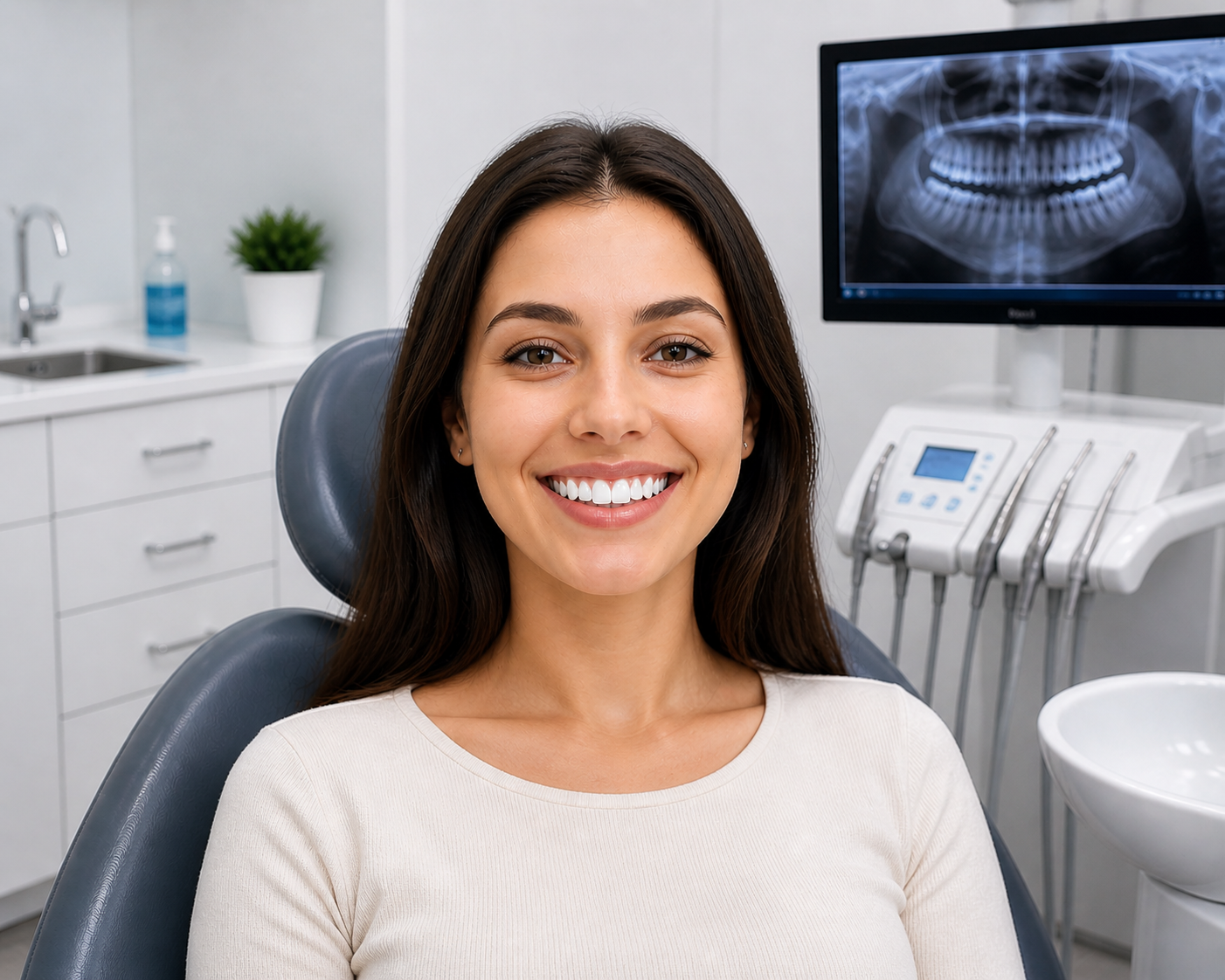
The images used in this content do not belong to a real patient. The visuals are stock photos obtained from online content provider image platforms.
Publication Date: 04.05.2026
Editor: Uğur Aktaş
Contact Number: +90 545 450 71 41
Contact Email: info@snyclinic.com