


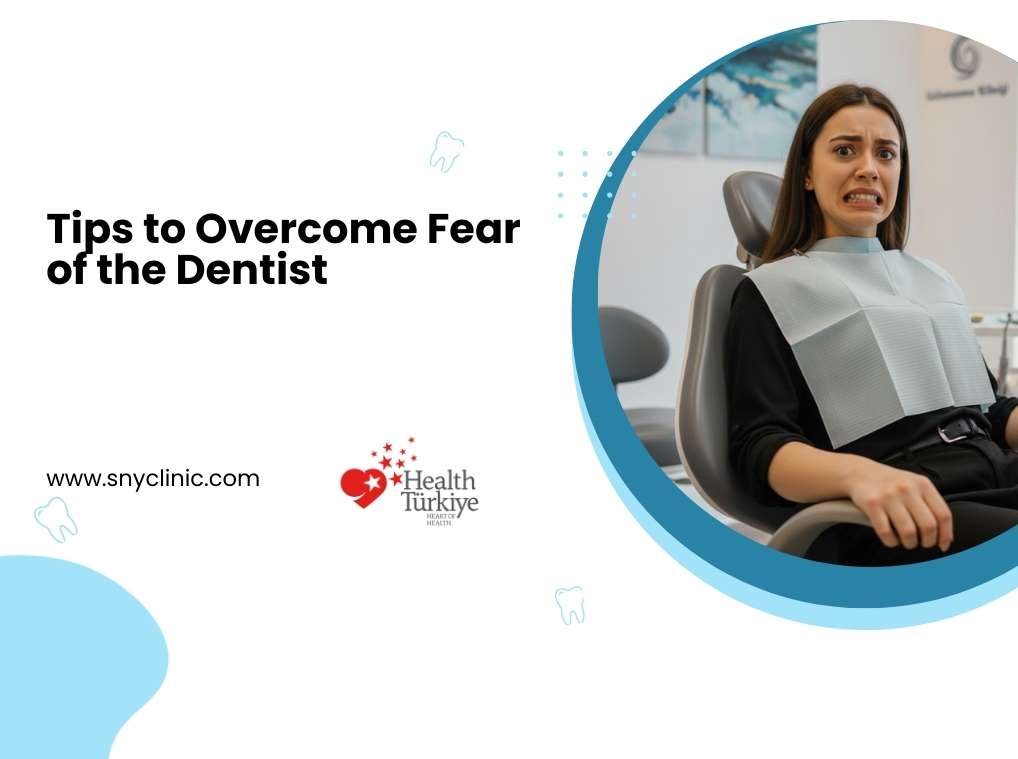
Tips to Overcome Fear of the Dentist
Tips to Overcome Fear of the Dentist (2026 Guide)
Fear of the dentist, also known as dentophobia, is far more common than many people realize. Many individuals postpone or completely avoid dental visits despite experiencing pain or discomfort. As of 2026, thanks to advances in technology, patient-centered approaches, and psychological support methods, dental fear is no longer an unsolvable problem.
In this comprehensive guide, we will подробно examine who experiences dental fear, why it occurs, its symptoms, and most importantly, effective and up-to-date ways to overcome fear of the dentist.
Who Experiences Fear of the Dentist?
Dental fear can affect people of all ages, but it is more prevalent in certain groups.
Children
- Traumatic first dental experiences
- Fear transferred from parents or family members
- Sensitivity to needles, sounds, and unfamiliar environments
Adults
- Negative dental experiences during childhood
- Fear of losing control
- Low pain tolerance
- Previous painful or unsuccessful dental treatments
Individuals with Increased Sensitivity
- People with anxiety disorders
- Individuals with a history of panic attacks
- Patients with post-traumatic stress disorder (PTSD)
In these individuals, fear of the dentist may be more intense and persistent.
Why Does Fear of the Dentist Occur?
Dental fear arises from a combination of psychological and physiological factors.
Past Traumatic Experiences
Painful extractions, insufficient anesthesia, or insensitive dental care can create long-lasting fear.
Pain Expectation
Anticipating pain is often more distressing than the actual pain itself. The brain prepares the body for danger, increasing anxiety levels.
Loss of Control
Lying back in a dental chair, keeping the mouth open, and being unable to speak may cause feelings of helplessness.
Sounds and Smells
The sound of dental instruments and the smell of disinfectants can trigger conditioned fear responses.
Social and Cultural Influences
Negative stories or comments such as “dentists are painful” can deeply affect especially children.
What Are the Common Symptoms of Dentophobia?
Dentophobia manifests through both psychological and physical symptoms.
Psychological Symptoms
- Intense anxiety and panic
- Constantly postponing dental appointments
- Insomnia before dental visits
- Extreme fear or avoidance behavior
Physical Symptoms
- Rapid heartbeat
- Excessive sweating
- Trembling
- Nausea
- Dizziness
These symptoms often intensify just before or during a dental appointment.
What Can Be Done to Overcome Fear of the Dentist?
As of 2026, there are many effective strategies to help patients overcome dental fear.
1. Choosing the Right Dentist
A dentist who is empathetic, patient, and communicative plays a key role in reducing fear. Dentists who listen carefully and explain each step build trust.
2. Scheduling a Consultation Visit
A non-treatment visit aimed solely at meeting the dentist and becoming familiar with the clinic environment can significantly reduce anxiety.
3. Open Communication
Sharing your fears, past experiences, and expectations with your dentist helps create a sense of control and safety.
4. Gradual Treatment Approach
Breaking treatments into smaller sessions instead of completing everything in one visit helps patients adapt gradually.
5. Modern Anesthesia and Sedation Techniques
- Advanced local anesthesia methods
- Conscious sedation
- Improved pain control protocols
These techniques significantly reduce fear associated with pain.
6. Breathing and Relaxation Techniques
Deep breathing exercises, meditation, and muscle relaxation techniques help calm the nervous system during treatment.
7. Distraction Methods
Listening to music, using headphones, or watching videos during treatment can divert attention away from fear.
8. Psychological Support
For severe dentophobia, cognitive behavioral therapy (CBT) can be highly effective in managing dental anxiety.
What Are the Complications of Untreated Fear of the Dentist?
When dental fear is not addressed, it can negatively affect not only oral health but also overall health.
Oral and Dental Health Problems
- Advanced tooth decay
- Tooth loss
- Gum disease
- Chronic bad breath
General Health Issues
- Increased risk of cardiovascular diseases
- Difficulty managing diabetes
- Higher susceptibility to infections
Economic and Treatment-Related Consequences
Dental problems that could be treated easily in early stages may require complex and costly procedures if delayed.
How Does Fear of the Dentist Negatively Affect Psychological Health and Social Life?
Dental fear also has significant psychological and social consequences.
Loss of Self-Confidence
Missing or unhealthy teeth may cause individuals to hide their smile and avoid social interactions.
Social Isolation
Avoiding smiling or covering the mouth while speaking can weaken social relationships.
Anxiety and Depression
Constantly postponing treatment may lead to feelings of guilt, stress, and emotional exhaustion.
Impact on Work and Daily Life
Ongoing dental pain can reduce concentration and negatively affect work performance.
Why Is the Dentist’s Approach Important for Patients with Dental Fear?
By 2026, modern dentistry places patient experience at the center of care.
Empathy and Trust
A calm, understanding, and non-judgmental approach helps patients feel safe.
Clear and Informative Communication
Explaining each step of the procedure eliminates fear of the unknown.
Providing a Sense of Control
Allowing patients to stop the procedure at any time empowers them and reduces anxiety.
Personalized Treatment Plans
Each patient’s fear level is unique. Tailored treatment plans significantly improve outcomes.
Fear of the Dentist Is Overcomeable in 2026
Fear of the dentist is not destiny. With modern technology, advanced anesthesia, and patient-focused approaches available in 2026, this fear can be managed and overcome safely. The key is choosing the right dentist, acknowledging the fear instead of avoiding it, and seeking appropriate solutions.
Remember: delaying dental treatment does not reduce fear—it allows problems to grow. Taking the first step toward dental care is often much easier than it seems, and it leads to a healthier mouth and a more confident smile.
The images used in this content do not belong to a real patient. The visuals are stock photos obtained from online content provider image platforms.
Publication Date: 12.1.2026
Editor: Uğur Aktaş
Contact Number: +90 545 450 71 41
Contact Email: info@snyclinic.com