


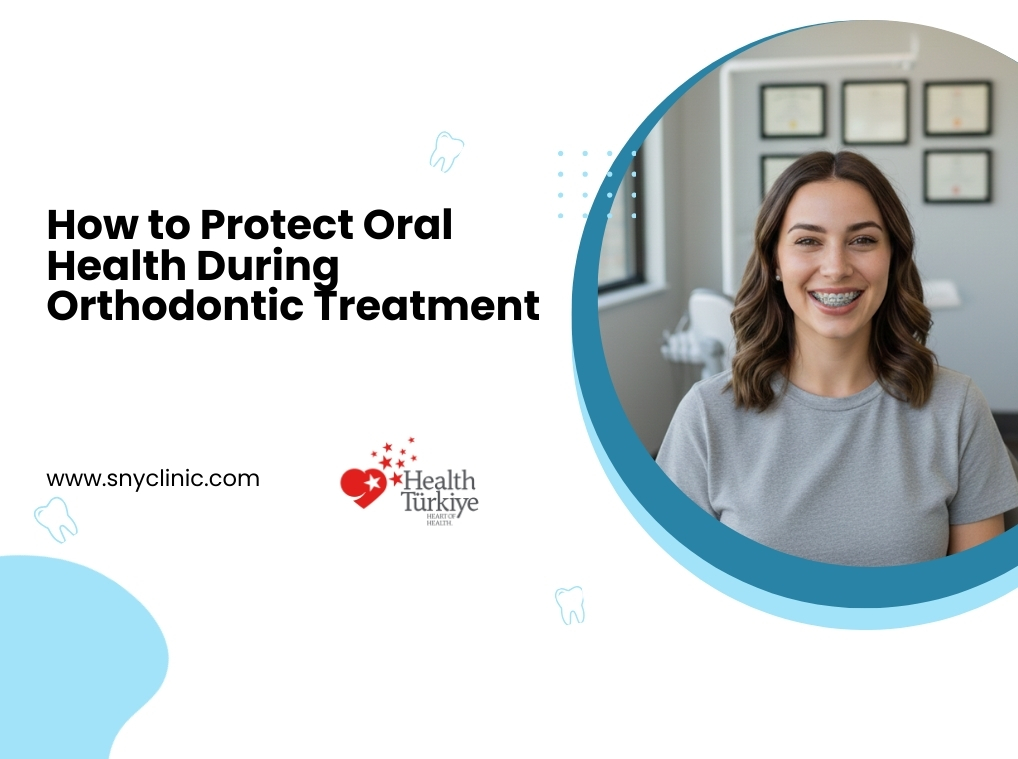
How to Protect Oral Health During Orthodontic Treatment
How to Protect Oral Health During Orthodontic Treatment
Orthodontic treatment is a long-term process aimed at achieving ideal alignment of the teeth, jaws, and facial structure. During this process, not only the aesthetic appearance of the teeth but also the preservation of oral and dental health is critically important. Braces, brackets, wires, or clear aligners can create areas where plaque accumulates, potentially leading to tooth decay, gum problems, and prolonged treatment time if oral hygiene is not properly maintained. Therefore, conscious care, proper nutrition, and consistent cleaning habits are essential throughout orthodontic treatment.
In this article, you will find a comprehensive overview of orthodontic treatment and detailed guidance on how to protect your oral health during this journey.
What Is Orthodontic Treatment?
Orthodontic treatment is a branch of dentistry that focuses on correcting crooked teeth, closing gaps between teeth, resolving jaw misalignments, and treating bite problems (malocclusions). Treatment methods may include metal or ceramic braces, lingual braces (placed on the inner surfaces of the teeth), clear aligners, and in some cases functional appliances.
The primary goal of orthodontics is not only to create an aesthetically pleasing smile but also to establish a functional, healthy, and long-lasting oral structure. Properly aligned teeth are easier to clean, improve chewing efficiency, and support long-term gum health.
What Are the Benefits of Orthodontic Treatment?
When properly planned and supported with good oral care, orthodontic treatment offers many advantages:
- Aesthetic improvement: Straight teeth enhance facial appearance and self-confidence.
- Easier oral hygiene: Well-aligned teeth are easier to brush and floss.
- Healthier gums: Reduced plaque accumulation lowers the risk of gum disease.
- Improved chewing and speech: Proper bite alignment enhances chewing efficiency and may improve speech.
- Prevention of tooth wear: Correct bite distribution reduces uneven forces on teeth.
- Long-term protection: Prevents the need for more complex dental treatments in the future.
What Problems May Occur If Orthodontic Treatment Is Not Done?
Neglecting orthodontic problems can lead to more serious issues over time:
- Increased risk of tooth decay: Crowded teeth trap food more easily.
- Gum diseases: Persistent plaque buildup can cause gingivitis and periodontitis.
- Jaw joint problems: Improper bite alignment may lead to jaw pain and clicking sounds.
- Tooth wear and fractures: Uneven pressure weakens tooth enamel.
- Aesthetic and self-esteem concerns: Dissatisfaction with one’s smile can affect social confidence.
Early diagnosis and timely treatment are therefore extremely important.
When Should Orthodontic Treatment Begin?
There is no single “ideal” age for orthodontic treatment. However, early evaluation provides significant benefits. For children, the first orthodontic check-up is generally recommended around age 7. At this stage, jaw growth is still ongoing, and certain problems can be guided or corrected more easily.
During adolescence, fixed orthodontic treatments are commonly used. Adults can also successfully undergo orthodontic treatment as long as their teeth and gums are healthy. Today, aesthetic options such as clear aligners have increased treatment acceptance among adult patients.
Why Is Care So Important During Braces Treatment?
Braces and aligners create additional retention areas in the mouth where food particles and bacteria can easily accumulate. Inadequate care may lead to:
- White spot lesions (demineralization of enamel),
- Tooth decay,
- Swollen or bleeding gums,
- Bad breath,
- Prolonged treatment duration.
For this reason, the success of orthodontic treatment depends not only on the orthodontist’s plan but also on the patient’s daily oral care routine.
What Should Patients Pay Attention to During Orthodontic Treatment?
Key points patients should consider throughout orthodontic treatment include:
- Do not miss regular check-ups: Timely adjustments help keep treatment on schedule.
- Avoid damaging appliances: Staying away from hard and sticky foods prevents bracket breakage.
- Maintain excellent oral hygiene: Go beyond standard brushing routines.
- Manage pain and sensitivity properly: Initial discomfort is normal and temporary; follow your orthodontist’s advice.
- Use retainers as instructed: Retainers are essential to maintain the achieved results after treatment.
Nutrition During Orthodontic Treatment
Nutrition plays a subtle yet crucial role in orthodontic treatment. The wrong foods can damage appliances and increase the risk of cavities.
Foods to avoid:
- Hard foods (hard candies, nut shells),
- Sticky foods (chewing gum, caramel),
- Sugary and acidic beverages,
- Hard fruits eaten by biting directly (apples, pears – should be sliced).
Recommended foods:
- Soft fruits and vegetables,
- Yogurt, soups, and purees,
- Protein-rich foods,
- Plenty of water.
Balanced and mindful nutrition supports both general health and oral health during treatment.
Tooth Brushing Routine During Orthodontic Treatment
For individuals undergoing orthodontic treatment, tooth brushing must be more thorough than usual:
- Brush at least 2–3 times a day: Especially after main meals.
- Use an orthodontic toothbrush: Designed to clean effectively around brackets.
- Interdental brushes: Ideal for cleaning between wires and brackets.
- Dental floss or orthodontic flossers: Complete interdental cleaning.
- Fluoride toothpaste and mouthwash: Strengthen enamel and reduce cavity risk.
Each tooth surface, including above and below the brackets, should be cleaned carefully and patiently. This routine is the key to achieving a healthy, stain-free smile at the end of treatment.
Orthodontic treatment is a process that requires patience and discipline. Protecting oral health throughout this journey directly affects treatment success. With proper cleaning habits, conscious nutrition, and regular dental visits, orthodontic treatment can deliver outstanding results both aesthetically and functionally.
Remember, orthodontic treatment does more than straighten teeth—it improves quality of life. By prioritizing oral health during this process, you can achieve the best possible outcome and enjoy a confident, healthy smile for years to come.
The images used in this content do not belong to a real patient. The visuals are stock photos obtained from online content provider image platforms.
Publication Date: 14.1.2026
Editor: Uğur Aktaş
Contact Number: +90 545 450 71 41
Contact Email: info@snyclinic.com