


Dental Scaling How Often Should It Be Done and Why Is It Important
Dental Scaling: How Often Should It Be Done and Why Is It Important?
Maintaining oral and dental health is not only essential for an aesthetic smile but also for overall body health. Dental calculus (also known as tartar or calculus) forms over time when oral hygiene is neglected and negatively affects both gum health and the strength of the teeth. Therefore, dental scaling is one of the essential oral care procedures that should be performed regularly.
What Is Dental Calculus?
Dental calculus is the hardened form of plaque (bacterial film) that accumulates in the mouth and mineralizes over time. It appears yellowish or brownish on the teeth and cannot be removed by brushing alone. Calculus deposits, especially along the gum line and between the teeth, create an ideal environment for bacterial growth.
What Causes Dental Calculus Formation?
The main causes of calculus buildup include:
- Inadequate and irregular tooth brushing habits
- Not using dental floss or interdental brushes
- Smoking
- Excessive consumption of tea, coffee, and colored beverages
- Differences in saliva composition
- Poor nutrition and low water intake
These factors allow bacteria to adhere to the teeth and cause plaque to harden into tartar.
Why Is Dental Scaling Important?
Dental calculus is not only an aesthetic problem but also one of the primary causes of serious gum diseases. Regular dental scaling helps to:
- Reduce the risk of gum inflammation (gingivitis)
- Eliminate bad breath
- Prevent gum recession
- Preserve the natural whiteness of the teeth
- Decrease the risk of cavities
- Promote healthier gums and teeth
How Often Should Dental Scaling Be Done?
Dental professionals recommend having a dental scaling every six months. However, for individuals who smoke, consume a lot of tea or coffee, or have a history of gum disease, this interval may be shortened to every 3–4 months.
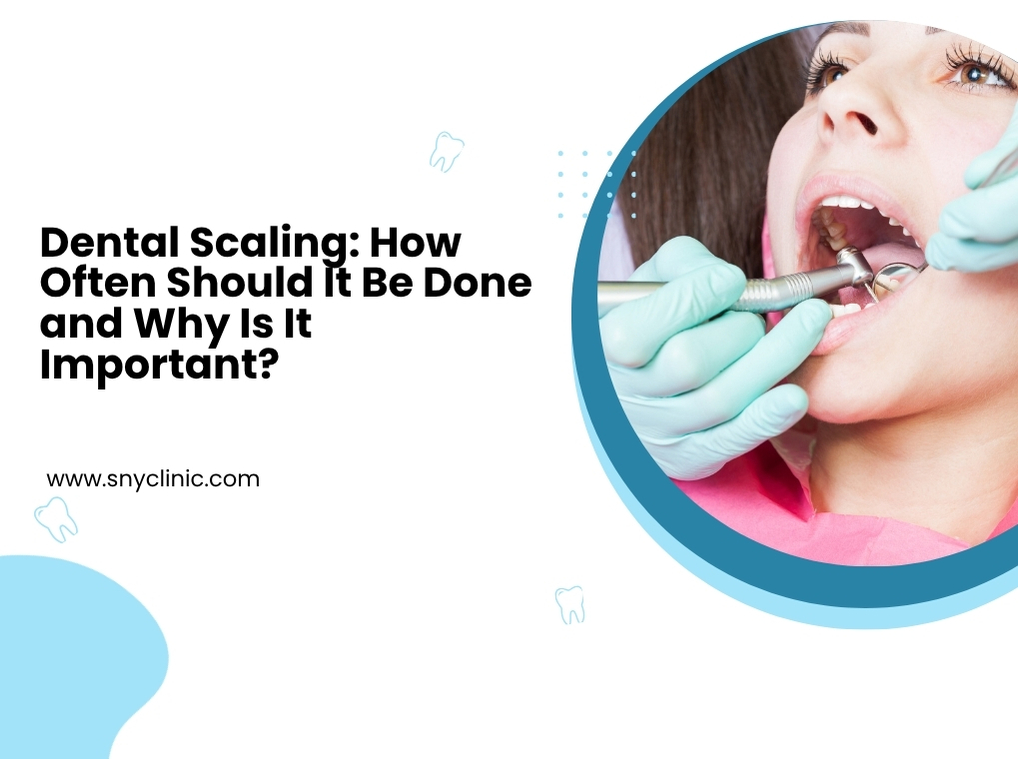
Dental scaling is performed using special ultrasonic devices that do not harm the tooth enamel, and afterward, the tooth surfaces are polished smooth to delay new plaque formation.
Ways to Prevent Dental Calculus Formation at Home
- Brush your teeth at least twice a day using the correct technique.
- Use dental floss or interdental brushes.
- Support oral hygiene with an antibacterial mouthwash.
- Avoid excessive consumption of colored drinks.
- Visit your dentist regularly for checkups.
Dental scaling is one of the most important steps in maintaining a healthy oral structure. Regular professional cleaning not only enhances the appearance of your teeth but also prevents gum diseases, bad breath, and tooth loss.
Remember, the most effective way to preserve your smile is through regular care and checkups.