


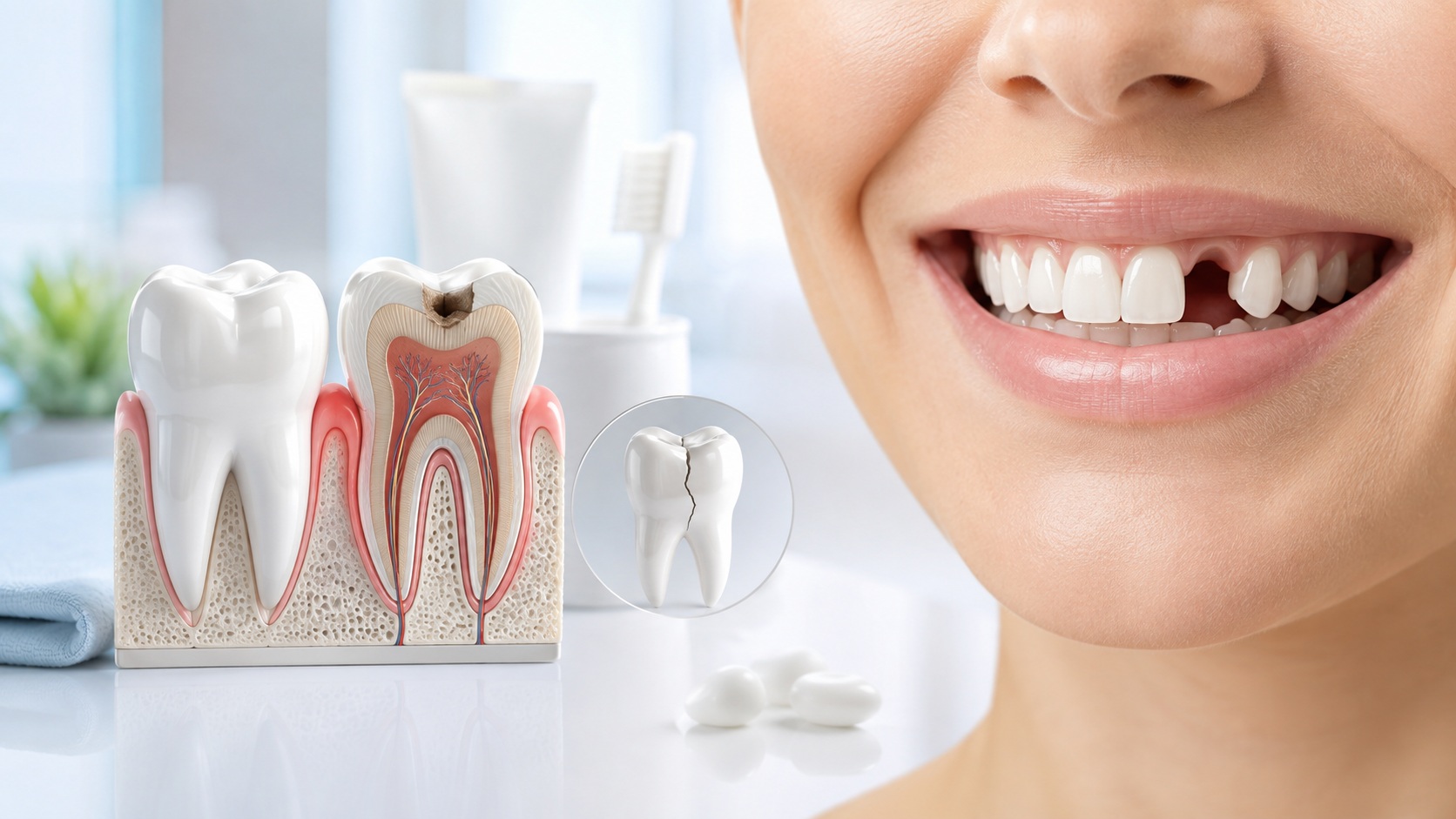
8 Common Causes of Tooth Loss
8 Common Causes of Tooth Loss
Tooth loss is not only an aesthetic concern. A missing tooth can affect chewing function, speech, the alignment of neighbouring teeth and, over time, the volume of the jawbone. For this reason, recognising the causes of tooth loss early is essential for preserving natural teeth for as long as possible.
Many people assume that tooth loss only occurs at an older age. However, tooth decay, gum disease, trauma, poor oral hygiene and certain systemic conditions can increase the risk at any age. With regular dental check-ups, many problems can be treated before extraction becomes necessary.
1. Advanced Tooth Decay
One of the most common causes of tooth loss is untreated tooth decay. A cavity may initially appear as a small spot on the enamel or as mild sensitivity. If left untreated, it can progress into the dentin layer and eventually reach the pulp, the living tissue inside the tooth.
When decay reaches the tooth nerve, severe pain, sensitivity to hot and cold, throbbing pain at night and facial swelling may occur. At this stage, root canal treatment can often help save the tooth. However, extraction may be necessary if the infection is extensive, a large portion of the tooth structure has been lost, or the bone around the root has been damaged.
The best way to prevent tooth decay is to brush regularly and correctly, use dental floss, limit frequent consumption of sugary foods and attend routine dental visits. A small filling placed early can provide significant protection against more complex treatment and possible tooth loss in the future.
2. Gum Disease
Gum disease is one of the leading causes of tooth loss, particularly in adults. Because it can progress without significant pain, it may go unnoticed for a long time. Early symptoms can include bleeding gums, redness, swelling, bad breath and sensitivity while brushing.
Untreated gum inflammation can eventually affect the bone surrounding the teeth. As the bone support that holds the tooth in place decreases, teeth may begin to feel loose. This process is known as periodontal disease and can lead to tooth loss in advanced stages.
Bleeding gums should never be considered normal. Many people associate it with brushing too hard, but it is often an early sign of gum inflammation. Professional scaling, effective oral hygiene habits and personalised periodontal treatment can help control the progression of gum disease.
3. Plaque, Tartar Build-Up and Poor Oral Hygiene
Inadequate oral care allows plaque to accumulate on tooth surfaces. Plaque is a sticky layer made up of bacteria, food debris and components of saliva. If it is not removed regularly, it hardens and turns into tartar.
Tartar is not only an aesthetic issue. It makes it easier for bacteria to collect along the gum line, increases gum inflammation and may create the conditions for bone loss over time. In particular, failing to clean between the teeth can allow problems to begin in areas that a toothbrush cannot reach effectively.
Brushing at least twice a day with the correct technique, using dental floss or interdental brushes and having professional cleanings at appropriate intervals can reduce tartar formation. If you notice bad breath, bleeding gums or a rough feeling on your teeth, it is important not to delay a dental examination.
4. Teeth Grinding and Clenching
Teeth grinding and clenching are common habits that may occur unconsciously, especially during stressful periods or while sleeping. Also known as bruxism, this condition places far more pressure on the teeth than normal chewing forces.
Over time, grinding can cause tooth wear, cracks, broken fillings, jaw joint pain, morning headaches and tooth sensitivity. Teeth that become weakened or cracked may eventually suffer damage that cannot be repaired. The risk of fracture can be greater in teeth that have had root canal treatment or contain large fillings.
For people with grinding or clenching concerns, a night guard, recommendations to relax the jaw muscles and personalised treatment options may be considered. Early assessment is important if you notice worn teeth, fractures or morning jaw fatigue.
5. Trauma and Accidents
Falls, sports injuries, traffic accidents or blows to the face can result in tooth loss. Injuries to the front teeth are especially common among children and young adults. A tooth may be completely knocked out, fractured, cracked or damaged below the gum line at the root.
When a tooth is completely knocked out, time is critical. Without touching the root surface, the tooth should ideally be kept in clean milk or saline solution, and a dentist should be contacted as soon as possible. In some cases, the tooth can be repositioned.
Using a mouthguard can reduce the risk of dental trauma for people who participate in sports. Custom-made protective guards may help protect the teeth and jaw from impacts, especially in contact sports.
6. Smoking and Tobacco Use
Smoking and other tobacco products can negatively affect oral health in several ways. Tobacco use increases the risk of gum disease and may cause the condition to progress more quickly. It can also interfere with healing and reduce the success of dental treatments.
In people who smoke, gum bleeding may sometimes be less noticeable. This does not mean that the gums are healthy; instead, the signs of disease may be masked. Gum recession, bone loss, bad breath, tooth discolouration and problems around dental implants can occur more frequently among tobacco users.
Reducing the risk of tooth loss includes stopping smoking and avoiding tobacco products. Quitting benefits not only overall health, but also gum health, treatment success and the mouth’s ability to heal.
7. Delaying Dental Check-Ups and Treatment
When tooth pain temporarily improves, many people assume the problem has resolved. However, a reduction in pain does not necessarily mean that the issue has disappeared. In particular, when the nerve tissue is damaged, pain may subside while an infection continues to progress around the root.
Tooth decay, gum disease, cracks and problems beneath old fillings can be detected early during regular examinations. Treatments performed in the early stages are generally more conservative, shorter and often more cost-effective.
Delaying a recommended root canal treatment, filling, crown or gum treatment for a long time can reduce the chances of saving the tooth. The goal is not simply to relieve pain, but to keep the natural tooth healthy and functional for as long as possible.
8. Systemic Conditions and Certain Medications
Oral health is closely connected to general health. Uncontrolled diabetes, in particular, can cause gum disease to progress more rapidly and increase susceptibility to infections. Wound healing may also be affected in people with diabetes.
Some medications can cause dry mouth. Saliva helps maintain the balance of bacteria in the mouth and protects tooth surfaces. Reduced saliva flow may increase the risk of tooth decay. People experiencing dry mouth may benefit from drinking water frequently, using sugar-free gum and choosing appropriate oral care products based on their dentist’s recommendations.
Hormonal changes, conditions that affect the immune system and certain medical treatments may also influence gum health. For this reason, people with chronic health conditions should inform their dentist about their medical history and medications.
What Are the Warning Signs of Possible Tooth Loss?
Problems that may lead to tooth loss often cause warning signs. Bleeding gums, persistent bad breath, loose teeth, pain while chewing, sensitivity to hot and cold, gum recession and changes in tooth colour should be assessed carefully.
Facial swelling, a gum abscess, ongoing pain, a broken tooth, a sharp sensation while chewing or changes in the way the teeth bite together are also reasons to see a dentist. Even when symptoms seem mild, an early examination can help prevent more serious problems.
What Can Be Done to Prevent Tooth Loss?
The most effective way to prevent tooth loss is to make oral hygiene a consistent part of daily life. Teeth should be brushed twice a day with fluoride toothpaste, and the spaces between teeth should be cleaned with dental floss or interdental brushes. Tongue cleaning may also help reduce bad breath and support oral hygiene.
Limiting sugary snacks and acidic drinks, avoiding smoking and drinking enough water can support oral health. People who clench or grind their teeth should not ignore the condition and should consult a dentist about a suitable night guard.
Routine dental visits every six months may be planned more frequently depending on an individual’s risk profile. During these examinations, cavities, tartar build-up, gum issues and problems with old restorations can be identified at an early stage.
Treatment Options After Tooth Loss
When tooth loss occurs, it is generally not recommended to leave the gap untreated for a long time. The teeth next to the missing space may gradually tilt toward it, the opposing tooth may over-erupt and chewing balance may be affected. Bone loss in the jaw may also develop over time.
Treatment options for missing teeth may include dental implants, bridges and removable dentures. The most appropriate treatment depends on the number of missing teeth, bone structure, gum health, general health and individual needs. A personalised treatment plan should be created after a detailed examination and appropriate imaging.
Tooth loss usually does not occur suddenly. Untreated cavities, gum disease, teeth grinding, trauma, smoking and delayed dental care can gradually affect the health of the teeth. However, many of these risks can be reduced with proper oral care habits and regular check-ups.
Do not ignore symptoms such as bleeding gums, pain, looseness or a broken tooth. Seeking assessment early is one of the most valuable steps you can take to protect your natural teeth. Early diagnosis offers an important advantage for a more comfortable treatment process and a healthy smile.
The images used in this content do not belong to a real patient. The visuals are stock photos obtained from online content provider image platforms.
Publication Date: 26.08.2026
Editor: Uğur Aktaş
Contact Number: +90 545 450 71 41
Contact Email: info@snyclinic.co