


10 Rules to Follow During Braces Treatment
10 Rules to Follow During Braces Treatment
Braces treatment is one of the orthodontic treatments used to correct crooked teeth, improve bite alignment, and achieve a more balanced smile. However, successful braces treatment does not depend only on your dentist’s treatment plan. Your daily habits, oral hygiene routine, and regular attendance at appointments also directly affect the outcome.
For people undergoing orthodontic treatment, brackets, wires, and other appliances create additional surfaces around the teeth. These areas can make it easier for food particles and bacteria to accumulate. Therefore, maintaining oral hygiene, adjusting eating habits, and following your dentist’s recommendations are essential while wearing braces.
The rules to follow during braces treatment can help the process progress as planned while reducing the risk of cavities, gum problems, broken brackets, and poking wires. Here are 10 important rules to keep in mind during braces treatment.
1. Brush Your Teeth Effectively After Every Meal
The most important part of braces treatment is oral hygiene. Food particles can easily collect around brackets and wires. Especially after consuming foods high in carbohydrates and sugar, these deposits may encourage bacterial growth. Over time, white spots, cavities, and gum problems can develop on the tooth surfaces.
Brushing your teeth at least twice a day is essential. However, for people with braces, brushing after main meals whenever possible is especially beneficial. While brushing, do not focus only on the front surfaces of your teeth. The areas above and below the brackets, around the wires, along the gumline, and the chewing surfaces of the back teeth should all be cleaned carefully.
A soft-bristled toothbrush may be preferred during orthodontic treatment. Orthodontic toothbrushes are designed to make cleaning around brackets easier. Electric toothbrushes can also be an effective option when used with the correct technique. The key is not to brush too hard, but to brush gently, carefully, and for a sufficient amount of time.
2. Do Not Neglect Interdental Brushes and Dental Floss
Using only a regular toothbrush may not be enough to clean every area between brackets and underneath the wires. For this reason, it is helpful to use interdental brushes, dental floss, and, when needed, oral irrigators during braces treatment.
Interdental brushes are particularly useful for reaching around brackets and beneath the wire. They can help remove small food particles stuck around the brackets, especially after meals. Choosing the right size is important; a brush that is too large may irritate the gums, while one that is too small may not provide enough cleaning.
Dental floss also helps reduce the risk of cavities between teeth. Using floss with braces may feel difficult at first. However, orthodontic floss threaders or special floss products with firm ends can make it easier to pass the floss under the wire. Regular use helps keep the gums healthier.
3. Avoid Hard and Sticky Foods
Some foods may cause brackets to detach, wires to bend, or orthodontic appliances to become damaged. Hard-shelled nuts, ice cubes, hard candies, unpopped popcorn kernels, and foods with tough shells should be consumed carefully.
Sticky foods can also create problems during orthodontic treatment. Chewing gum, caramel, Turkish delight, gummy candies, and sticky chocolates can become trapped around brackets. These foods make cleaning more difficult and may also cause brackets to come loose.
You do not need to remove healthy foods such as apples, carrots, or hard bread from your diet entirely. However, it is safer to cut them into small pieces rather than biting into them directly. For example, eating sliced apples instead of biting into a whole apple with your front teeth can help protect your brackets.
If a bracket breaks or comes loose, do not delay contacting your dentist. Arrange an appropriate appointment so the issue can be addressed. A broken bracket or bent wire may slow down the progress of your treatment.
4. Limit Sugary and Acidic Drinks
Carbonated beverages, energy drinks, packaged fruit juices, and other drinks high in sugar can pose a risk to dental health. This becomes even more important during braces treatment because plaque can accumulate more easily around brackets.
Acidic drinks may weaken tooth enamel. Sugar, on the other hand, supports bacterial growth in the mouth and can increase the risk of cavities. White spots that form around brackets can create an unpleasant appearance after treatment is complete. These spots may often be associated with insufficient oral hygiene.
Increasing your water intake is a helpful habit during treatment. Water can help rinse away food particles and reduce dry mouth. If you consume a sugary or acidic drink, drinking water afterward and brushing your teeth when possible may be beneficial.
5. Do Not Miss Your Orthodontic Appointments
Braces treatment requires regular follow-up appointments. During these visits, wires may be adjusted, elastics may be evaluated, brackets may be checked, and tooth movement may be monitored. Missing appointments can cause the treatment to take longer than planned.
The time between appointments may vary from patient to patient. Your orthodontist determines this interval based on the type of orthodontic system used, the condition of your teeth, jaw relationship, and treatment plan. Attending appointments regularly also helps identify small problems before they become more serious.
If you notice that a wire is poking, a bracket has broken, your elastics have run out, or a sore has developed in your mouth, it can be useful to inform your dentist before your appointment. This allows the necessary treatment to be planned more accurately.
6. Use Your Elastics Exactly as Recommended
In some braces treatments, orthodontic elastics are used to improve the relationship between the upper and lower jaws. These small rubber bands can be an important part of the treatment. Not wearing them regularly may delay the teeth and jaws from reaching their intended positions.
The correct duration and method of elastic use should always be determined by your orthodontist. Some patients may need to wear elastics throughout the day, while others may only need them at certain times. Wearing them less often than recommended may slow down treatment, but using them more than instructed on your own is also not appropriate.
Change your elastics at the intervals recommended by your dentist and keep spare elastics with you. If you need to remove them while eating or brushing your teeth, remember to put them back on afterward. Consistency in elastic use is one of the most important patient responsibilities affecting treatment success.
7. Do Not Panic if a Wire Pokes or a Bracket Breaks
During braces treatment, problems such as poking wires, loose brackets, or wire ends sticking out may sometimes occur. These situations are not usually emergencies, but they should not be ignored. The first step is to remain calm and contact your dentist.
If a wire irritates your cheek, lip, or tongue, orthodontic wax can be used. The wax covers the irritating area and may reduce discomfort in the soft tissues. Keeping the area as clean and dry as possible before applying the wax can help it stay in place more effectively.
If a bracket has come loose, avoid eating hard foods. Do not try to cut, bend, or glue the wire yourself. Such interventions may damage both the appliance and the soft tissues inside your mouth. The safest approach is to follow your dentist’s instructions.
8. Take Gum Bleeding and Bad Breath Seriously
People wearing braces may experience gum bleeding due to inadequate cleaning. However, bleeding should not be considered normal or ignored. Redness, swelling, tenderness, persistent bleeding, or bad breath may be signs of gum inflammation.
If your gums bleed, stopping brushing is not the right solution. Instead, continue to brush regularly and gently using the technique recommended by your dentist. Gum problems may worsen as long as plaque remains on the teeth. Cleaning between the teeth is also very important at this stage.
If you notice persistent bad breath, gum sensitivity, or changes in gum color, consult your orthodontist or general dentist. Problems detected early can often be managed more easily.
9. Protect Your Teeth While Playing Sports
During football, basketball, volleyball, combat sports, or other activities with a risk of impact, braces may increase the likelihood of mouth injuries. A blow to the mouth can cause the lips, cheeks, or tongue to hit the brackets. For this reason, wearing a mouthguard during sports is important.
Special mouthguards designed for people undergoing orthodontic treatment can be preferred. These products help protect both the teeth and the brackets from impact. Their use is especially important for children and teenagers who play sports regularly.
Keep your mouthguard clean and check whether it has become worn or deformed over time. Because your teeth continue to move, the fit of your mouthguard may change. It is helpful to consult your dentist to make sure it continues to fit properly.
10. Take the Retention Phase Seriously After Treatment
The removal of braces does not mean that orthodontic treatment is completely over. After the braces are removed, a retention phase is needed to help the teeth maintain their new positions. Clear retainers, fixed retainer wires, or other protective methods recommended by your dentist may be used during this stage.
Teeth may tend to shift back toward their previous positions after treatment. Therefore, not using retainers regularly can cause the results achieved after a long treatment process to deteriorate over time. Paying close attention to retainer use, especially in the first period after braces removal, is very important.
The cleaning of clear retainers should not be neglected either. Washing them with hot water may cause them to lose their shape. Follow the cleaning methods recommended by your dentist and store your retainers in their case when not in use.
If fixed retainer wires break or become detached, contact your dentist as well. These small details are highly important for maintaining the long-term results of orthodontic treatment.
Patience and Consistency Are the Key to Successful Braces Treatment
Braces treatment is a personalized process. The duration of treatment can vary depending on the severity of crowding, jaw structure, treatment method, and how well the patient follows the recommended rules. Some people may complete treatment in a shorter period, while more complex cases may require more time.
Being patient, maintaining a regular oral care routine, and following your dentist’s recommendations can improve the quality of the final result. Braces treatment should not be viewed only as an aesthetic procedure; it should also be considered in terms of tooth function, bite balance, and oral health.
During the first few days after braces are placed, you may experience mild sensitivity, pressure, or temporary changes in speech. These are usually temporary. However, if you experience severe pain, persistent sores, noticeable swelling, or any unusual discomfort, it is important to contact your dentist.
Remember: regular brushing, healthy eating habits, attending appointments on time, and using retention appliances as instructed all play an important role in achieving a healthy, balanced smile at the end of your treatment.
To receive personalized information about braces treatment, evaluate suitable treatment options, and plan your orthodontic journey safely, consult a dentist or orthodontic specialist.
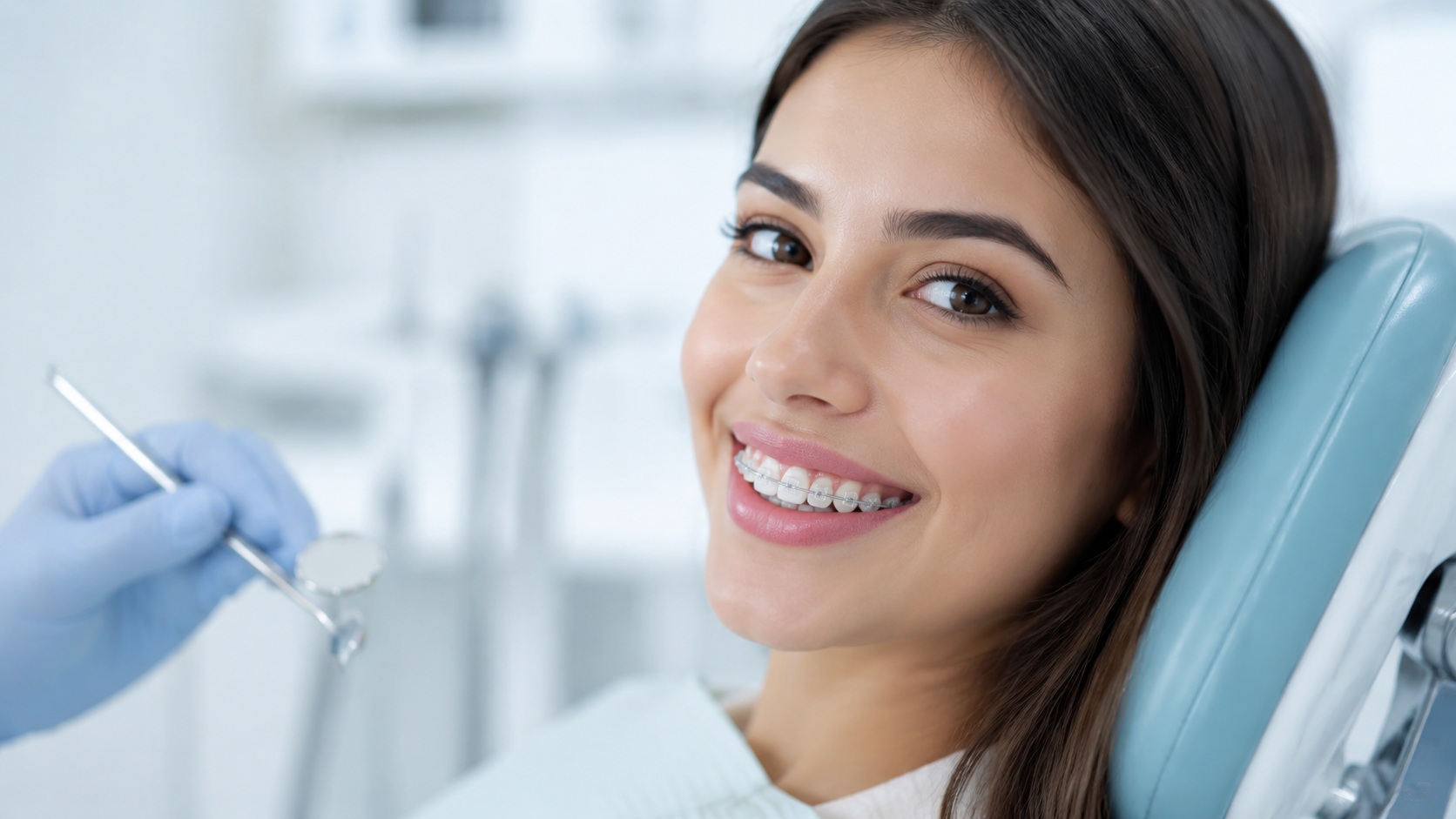
The images used in this content do not belong to a real patient. The visuals are stock photos obtained from online content provider image platforms.
Publication Date: 25.08.2026
Editor: Uğur Aktaş
Contact Number: +90 545 450 71 41
Contact Email: info@snyclinic.co