


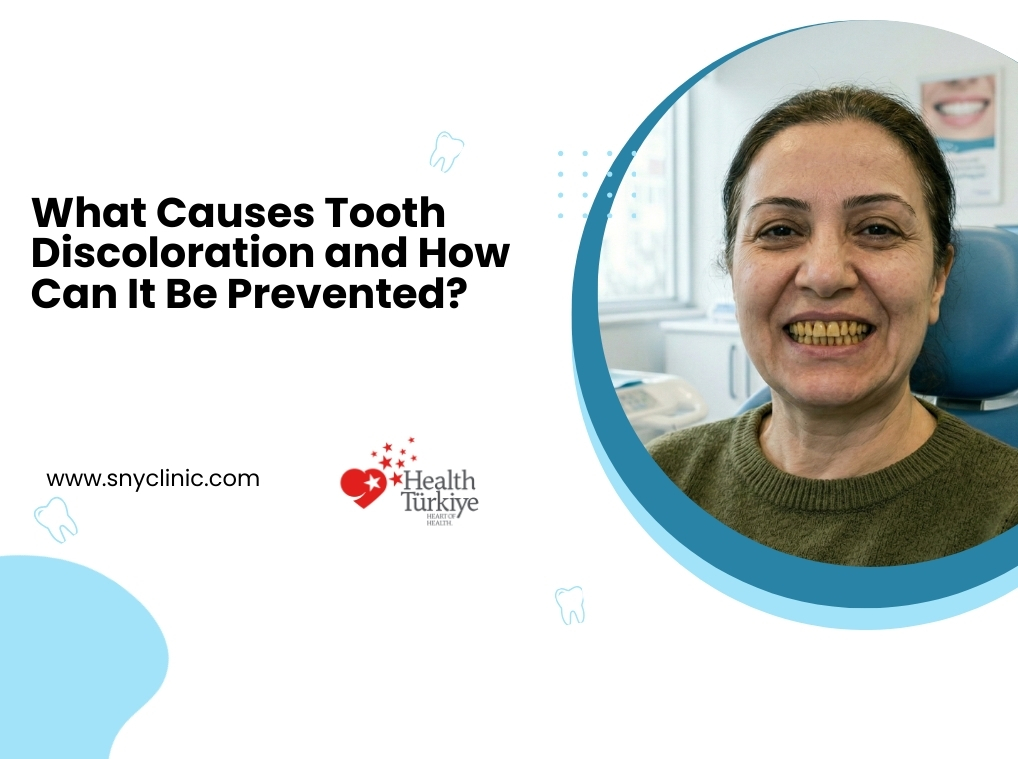
What Causes Tooth Discoloration and How Can It Be Prevented?
What Causes Tooth Discoloration and How Can It Be Prevented?
Tooth discoloration is a common issue that affects many people both aesthetically and psychologically. In 2026, when social media presence and personal image have become more important than ever, a bright and healthy smile is no longer just a preference—it is a key part of personal branding. So, why do teeth turn yellow? Is it possible to prevent discoloration? What can be done at home, and when is professional treatment necessary?
In this comprehensive guide, we will examine the causes of tooth discoloration, risk factors, and long-term solutions in detail.
What Is Tooth Discoloration?
Tooth discoloration refers to the gradual darkening or yellowing of the natural white shade of teeth. It generally occurs in two main forms:
- Extrinsic (Surface) Stains: These occur on the outer enamel layer and are usually caused by diet and lifestyle habits.
- Intrinsic (Internal) Stains: These develop within the inner structure of the tooth and are often related to trauma, medication, or aging.
Causes of Tooth Discoloration
1. Dietary Habits
Certain foods and beverages can cause staining on the tooth surface, including:
- Coffee
- Tea
- Red wine
- Cola and carbonated drinks
- Tomato-based sauces
- Iced tea and energy drinks
These substances adhere to the enamel and gradually create a yellowish layer.
2. Smoking and Tobacco Use
Smoking is one of the most common causes of tooth discoloration. The nicotine and tar in cigarettes penetrate the enamel, leading to permanent yellow-brown stains. Smoking also increases the risk of gum disease.
3. Poor Oral Hygiene
Inadequate brushing and failure to floss regularly result in plaque and tartar buildup. Over time, these deposits create a yellow and dull appearance on the teeth.
4. Aging
As we age, the enamel layer naturally thins. This makes the underlying dentin layer—which has a naturally yellow tone—more visible. As a result, teeth may appear darker over time.
5. Genetic Factors
Some individuals are born with thicker or naturally whiter enamel. Genetic traits can directly influence tooth color.
6. Antibiotic and Medication Use
Certain antibiotics, especially tetracycline taken during childhood, can cause permanent discoloration during tooth development.
7. Trauma and Root Canal Treatment
A blow to a tooth or damage to the nerve can cause the tooth to darken over time. Teeth that have undergone root canal treatment may sometimes appear darker than surrounding teeth.
How Can Tooth Discoloration Be Prevented?
Although it may not always be possible to completely prevent discoloration, proper care and healthy habits can significantly reduce the risk.
1. Proper and Regular Brushing
- Brush at least twice daily.
- Use fluoride toothpaste.
- Brush for at least two minutes.
- Electric toothbrushes may provide more effective cleaning.
2. Flossing and Mouthwash Use
Flossing removes plaque from between teeth. Antiseptic mouthwashes help reduce bacteria and minimize staining.
3. Rinsing After Staining Beverages
Drinking a glass of water after coffee or tea can help reduce staining. Using a straw may also minimize contact with front teeth.
4. Quitting Smoking
After quitting smoking, noticeable improvements in tooth color can occur. Gum health also significantly improves.
5. Professional Dental Cleaning
Having a professional dental cleaning at least once or twice a year helps remove surface stains. Teeth may appear several shades lighter after scaling and polishing.
Teeth Whitening (Bleaching) Methods
If discoloration is advanced, professional whitening treatments may be recommended.
1. In-Office Whitening
This procedure is performed in a dental clinic using specialized whitening gels and light systems. Results of two to three shades lighter can often be achieved in a single session.
Advantages:
- Fast results
- Long-lasting effects
- Safe application under professional supervision
2. At-Home Whitening
This method involves custom-made trays prepared by a dentist. Noticeable whitening can typically be seen within 7–10 days.
Do Natural Home Remedies Work?
Home remedies such as baking soda, lemon, or apple cider vinegar are commonly suggested. However, uncontrolled use may damage tooth enamel. Abrasive effects can lead to tooth sensitivity and enamel loss.
Therefore, any at-home whitening method should be discussed with a dentist before use.
Is Tooth Discoloration Permanent?
The cause of discoloration determines the treatment approach. Surface stains are usually removable with cleaning or whitening. However, intrinsic discoloration may require professional whitening or aesthetic treatments such as zirconia crowns or veneers.
Daily Routine to Prevent Tooth Discoloration
✔ Brush twice daily for two minutes
✔ Use dental floss daily
✔ Reduce sugary and acidic beverages
✔ Quit smoking
✔ Visit the dentist every six months
✔ Schedule professional cleanings
Does Tooth Discoloration Affect Self-Confidence?
Research shows that individuals who are unhappy with their smile tend to feel less confident in social situations. White and healthy teeth increase self-confidence and improve social interactions.
In job interviews, social media presence, and professional presentations, an aesthetic smile can provide a significant advantage.
Dental Aesthetic Trends in 2026
- Natural white shades (avoiding overly bright results)
- Digital smile design
- Minimally invasive aesthetic procedures
- Enamel-friendly whitening techniques
Today, the goal is not just whiter teeth, but a healthy and natural-looking smile.
Tooth discoloration can develop for many different reasons. However, with proper oral hygiene, healthy habits, and regular dental check-ups, it can largely be prevented. In cases of advanced discoloration, professional whitening treatments offer safe and effective solutions.
Remember, a healthy smile is not only about aesthetics—it is also a reflection of your overall health. If you are not satisfied with your tooth color, consult a dentist to determine the most suitable treatment for you.